
That moment after grinding? Often ignored. Beans broken into particles release flavors fast. Water meets grounds – extraction begins immediately. Yet most wait. A minute passes. Then another. Flavor shifts happen unseen. Time works against freshness here. Grounds degrade while waiting on the counter. Oxidation steals brightness first. Next goes sweetness. What hits your cup changes because of delays nobody measures. Brewing too late dulls what was meant to spark. Fresh grind means little if left sitting. Seconds matter more than assumed. The clock starts and the instant blades stop.
Why Fresh Grinding Matters
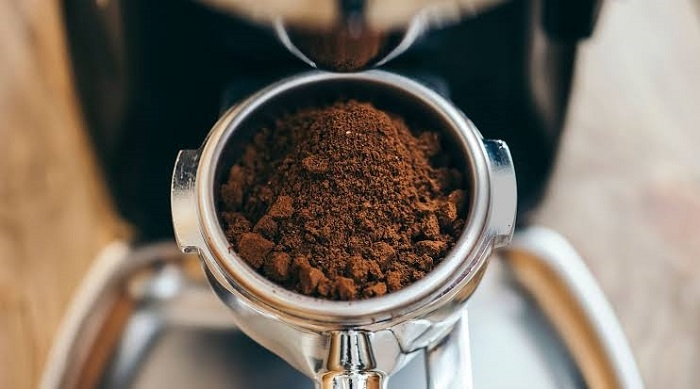
Crushed beans? Oxidation kicks off right away. Minutes later, those aromatic elements begin to fade. Timing isn’t about pouring – it’s set the moment grinding finishes. Many still crush extra portions ahead of time, sometimes leaving them out all night. Small shifts in brewing hardly matter next to that choice. Start by grinding coffee just moments before you brew. A few minutes sooner strips away subtle scents. Freshness fades fast – timing matters more than most think.
Coffee-to-Water Ratio
| Ingredient | Amount |
| Coffee | 8 grams |
| Water | 6 ounces |
Eight grams for every six ounces of water hits the mark, no matter your brew method. Skip the scoop – weight beats volume when precision matters. A level spoonful changes too much depending on how fine the grind or dense the beans. Grabbing a scale wipes out uncertainty. Tweaks still help, but start here.
Water Quality Matters
Third comes water quality. Even when tap water meets safety standards, its composition shifts wildly – chlorine levels here, uneven minerals there – each affecting how flavors emerge during brewing. A filter cuts through those hidden disruptions, removing elements people rarely notice unless they’re gone, leaving only what supports a cleaner result.
Best Water Temperature for Black Coffee
| Temperature | Celsius |
| 205°F | 96°C |
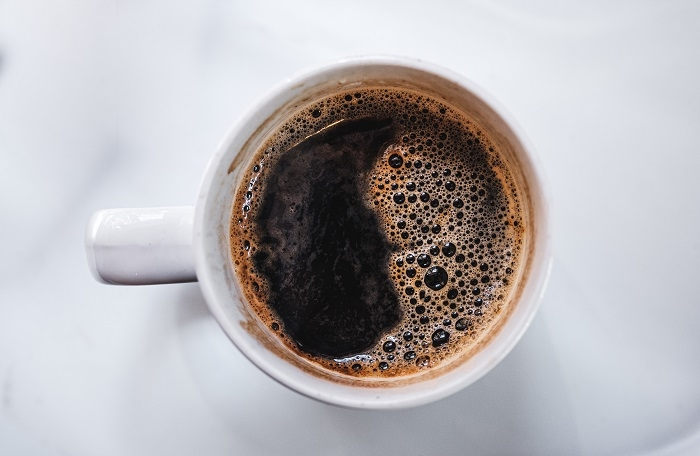
Most people talk up water heat like it’s critical, yet the truth is fuzzier. Around 205°F – or roughly 96°C – works well when brewing through a paper filter. When you dip below that, flavors come out slower, though dropping degrees only makes real sense with ultra-soft water or light roast beans. Pots left bubbling gently shift steam pressure in ways that nudge how fast liquid drains; still, those tweaks rarely matter enough to tweak at home.
Brewing Time
- Drip brewing: Around 4 minutes
- French press: Let it sit after breaking the crust
- Pour-over: Faster with coarse grounds, slower with fine grounds
Four minutes usually do it with drip brewing, sometimes a bit more. The French press sits untouched after you break the top layer, clock running steady. Pour-over finishes faster when grounds are coarse, drags if fine – timing shifts quietly beneath that surface. Bitterness shows up when water stays too long, soaking through every grain without mercy. No clever move erases what waiting too long has already done.
Read More: How To Make Brown Colour
Wetting the Grounds
Wet grounds evenly? That happens through movement – but only if you’re using a dunk-style brewer. Pour-over skips that step because the water’s path does the work instead.
What Black Coffee Reveals
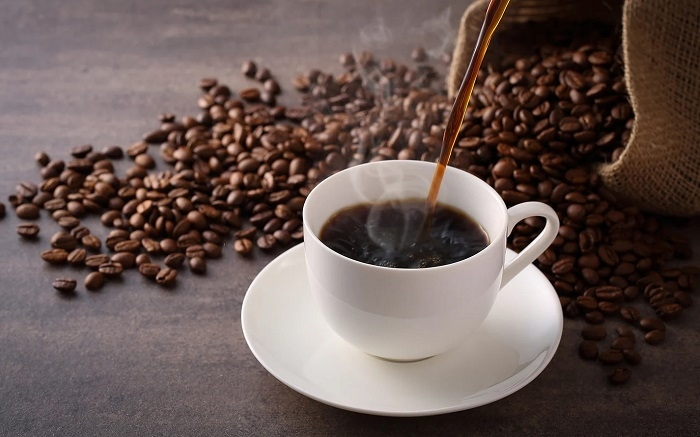
Black coffee exposes flaws quickly. Underdeveloped beans taste sharp, like unripe fruit left too long. Roast errors bring a campfire bitterness that lingers. When nothing masks the flavor, only well-roasted batches survive scrutiny. Beans from one farm tell a story of place – not always a good one. Origin info shows where it came from, not how well it was treated.
Keep Equipment Clean
- Rinse pitchers daily
- Clean holders regularly
- Check mesh strainers
- Remove old coffee oils
After everything else, spotless tools count most when making these kinds of drinks. Heat slowly turns leftover oil into sharp bitterness over time. Each day, rinse out pitchers and holders – don’t forget the soft rings tucked under the mesh strainers.
Still, it’s an uncomplicated thing to do. Yet focus shifts – not to spectacle – but to sidestepping hesitation, keeping things tidy, sticking to precise checks, noticing slow breakdowns that begin once kernels turn to dust.