
Out of sight, that slow breakdown keeps going. Spotting a stain? Way past the starting line. Little creatures munch on flakes we leave behind every night. As weeks stack up, their droppings pile deep beneath the surface. A fresh-looking cover fools most folks. Trouble brews long before eyes can see it.
Different Pillow Types and Washing Methods
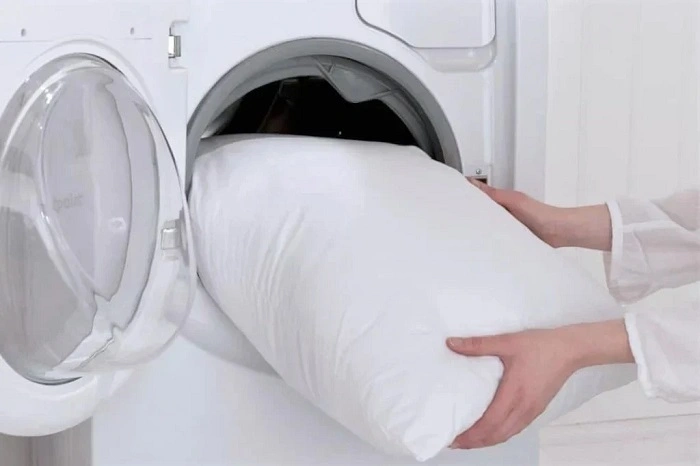
Some pillows tolerate water better than others.
| Pillow Type | Washing Notes |
| Memory Foam | Must never get fully wet |
| Down | Can handle light washing with proper drying |
| Polyester | Handles repeated washing better |
While memory foam must never get fully wet – its shape will collapse if soaked. Down models might endure a light spin in the washer, though skipping proper drying invites mold between feathers. On the opposite end, polyester handles wash after wash fairly well, although each cycle squeezes the stuffing tighter over time, weakening comfort slowly.
Choosing the Right Washing Machine Settings
Heavy items spread out better inside front loaders compared to top models that twist clothes around a central post. Cool wash settings slow the wear on stuffing materials. Heat while drying can pull fabric sizes smaller or damage man-made fibers – more so if mix details stay hidden by makers.
Helpful Washing Tips
- Use a front-loading washer when possible
- Wash with cool water
- Avoid high heat settings
- Follow manufacturer care instructions
Removing Detergent Buildup
Most people ignore leftover detergent. Too much soap holds water, which lets bacteria spread when items sit unused. Try washing again to clear it out. A full cup of white vinegar during rinsing breaks down gunk without harsh chemicals and eases stiffness in fabric – just leave it out if cleaning memory foam.
How to Dry Pillows Properly
Most drying spells differ a lot.
Dryer Method
- Use low heat
- Dry for around two hours
- Add tennis balls inside clean socks
- Stop lumps from forming
To stop lumps, try tossing a regular polyester pillow in the dryer at low heat for about two hours alongside tennis balls inside fresh socks. Because they pack tighter, synthetic down versions require more time.
Also Read: How to Check Airtel Number
Air Drying Method
Laying them out flat keeps their shape safe, though that method eats up several days inside unless the air holds less than 40% moisture. When still wet inside, resist pressing or bending – these stiffened zones invite hidden germ growth.
How Often Should You Wash Pillows?
Most people never clean their pillows as often as they should – every few months. That neglect adds up fast. Yearly, a single head rests on the same fabric for nearly two thousand hours. Moisture seeps through covers. So do natural oils, dried spit, dust. Night after night, tiny rubs wear down seams just enough. Over time, stuffing finds its way out.
What Affects Pillow Lifespan?
How long replacements last ties to how they’re used, not just time passing. A person who sleeps without moving much puts steady force across the surface. Tossing and turning every few minutes? That creates shifting weak spots near the borders. Motion over hours chips away at structure faster than stillness ever could.
Signs It May Be Time for a New Pillow
Most people toss their mattress around the half-year mark, yet some keep using it way past its prime.
Quick Pillow Check
- Press down firmly with your palm.
- Watch how quickly it regains shape.
- Ideally, it should spring back in under ten seconds.
Each month, give it a check by pressing down hard with your palm – should spring back fast, ideally under ten seconds. When it stays dented even briefly, that means support is breaking down inside. Washing helps a little over time, though nothing brings dead foam or sagging springs back to how they started.
Washing helps keep pillows cleaner and more comfortable, but it cannot reverse material breakdown. Over time, moisture, pressure, movement, and everyday use slowly wear down support. Regular cleaning helps, yet replacement eventually becomes necessary when structure and comfort begin to fade.