
Most people think filling out a cheque is simple. Yet tiny mistakes often stop it from being cashed. A wrong date, missing name, or smudged number might be enough. Payment fails not because of scams but simple slips. Close to one in ten cheques gets refused each year. Accuracy counts far more than many expect. Little details decide whether money moves or stalls.
Write the Recipient’s Name Carefully
After the recipient’s name, draw a clear mark across the “Pay” field – this stops additions like “or bearer.” Someone might otherwise slip in extra names. Real cases exist: short marks have allowed illegal withdrawals where local rules back such claims. When penmanship lacks clarity, use printed letters instead. Machines at sorting hubs often stall on messy writing, slowing everything down. Mistakes creep in more easily when computers struggle to read.
Fill in the Amount Properly
Close to the currency mark, place numbers tight on the line. A gap after the “$” could let someone stretch “250.00” into “9250.00.” What flows from the pen plays a role. Certain banks reject ballpoints – those inks break down quicker when stored long term. Where rules apply, gel or lasting ink wins out.
Write the Amount in Words
Writing “Two hundred fifty only” on the form gives extra protection. When figures disagree, that version wins – though many people aren’t aware. Always write the amount using full words. Symbols such as “&” in place of “and” can cause delays during checks. End with words like “only” or “even” so nothing gets added later.
Check the Date
Watch the calendar. If a cheque shows a later date, it might still clear ahead of time – no guarantee against early withdrawal where rules don’t block it. Take Canada, for example: banks there can process such cheques immediately, even if the date hasn’t arrived yet.
Sign the Cheque Correctly
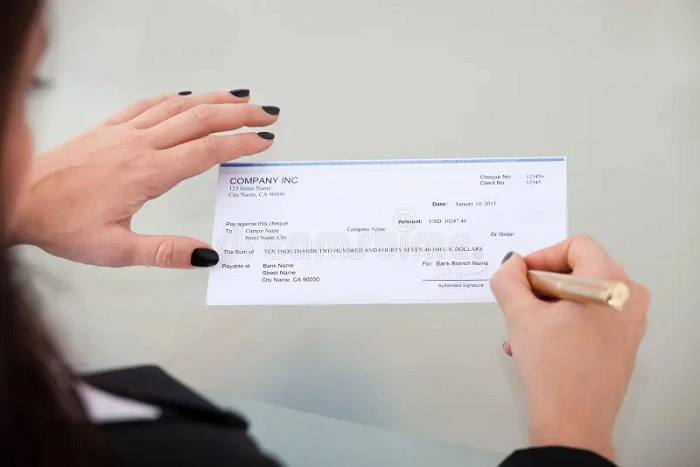
Your signature needs to match what the bank has on file. Even small changes can trigger alerts. If your sign-in looks different after months, it slows down verification checks. A wobbly stroke when you sign lowers the score machines give during processing.
Avoid Corrections
One slip, crossed out or not, might still count against you. A money transfer system found altered entries can set off low-balance flags automatically – balance aside. Initials won’t help much when machines decide.
Mention the Currency Clearly
Start with clarity – CAD instead of just $ cuts mistakes. Machines might skip checking national tags, so labels matter beyond borders. Picking USD? Say it outright. Rules allow skipping details, yet precision helps. When payments go abroad, name the cash type.
Leave Blank Spaces Carefully
Start with intent behind each blank. Empty areas guide how machines read forms – position matters even when left bare. Yet scribbled thoughts inside hold zero legal power.
Why Accuracy Matters
Back then, cheques looked just about the same as they do now. Still, the way people engage with them isn’t what it used to be. Knowing how things work behind the scenes shifts your view on small visible parts. What you see up front hits differently once you grasp what happens behind.
Frequently Asked Questions
How do you fill out a cheque correctly ?
Write the recipient’s name, enter the amount in numbers and words, add the correct date, and sign using the signature registered with your bank.
Why should I write the amount in words ?
Writing the amount in words provides extra protection if the written amount and the numeric amount do not match.
Can I correct a mistake on a cheque ?
One slip, crossed out or not, might still count against you. Initials won’t help much when machines decide.
Does the signature on a cheque matter ?
Yes. Your signature needs to match what the bank has on file. Even small differences can delay processing.
Why should I leave no gaps when writing the amount ?
Gaps can allow extra numbers or words to be added later. Writing neatly and closely helps reduce that risk.