
Battery cars are becoming much more common in India, and buyers now have many options. You can choose small city EVs, family SUVs and premium electric cars depending on your budget and daily needs. The main question is how much a battery car actually costs in India.
Battery car prices in India can start below ₹8 lakh for compact models, while family EVs usually sit between ₹10 lakh and ₹25 lakh. Premium battery cars can cross ₹50 lakh, and the final price depends on battery size, range, features and ownership plan.
Battery Car Price in India 2026
Here is a quick look at some popular battery cars and their approximate starting prices. These are mainly ex-showroom figures, so the final amount can change with the variant, city and current offers.
| Battery Car | Approx Starting Price |
| MG Comet EV | Around ₹7.80 lakh |
| Tata Punch EV | Around ₹9.69 lakh |
| Hyundai Creta Electric | ₹18.02 lakh |
| Mahindra BE 6 SPORTEQ | ₹19.45 lakh without BaaS |
| Hyundai IONIQ 5 | ₹55.70 lakh |
The MG Comet EV sits near the entry level, while the Tata Punch EV offers more SUV-like space. Buyers who want something larger can look at the Creta Electric and Mahindra BE 6, while the IONIQ 5 sits firmly in the premium segment.
MG Comet EV
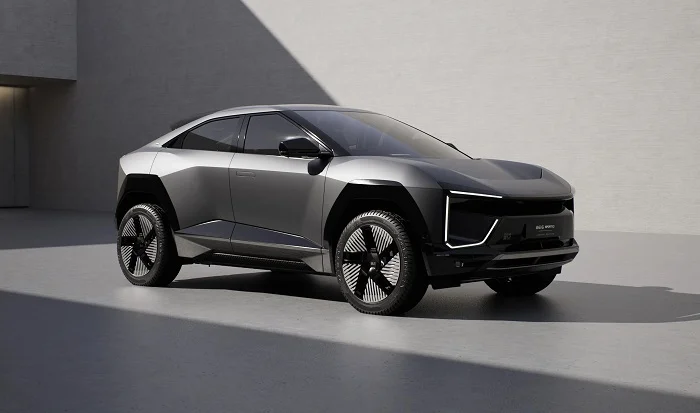
The MG Comet EV is one of the smallest battery cars in India, and it is mainly built for city driving. Its compact size makes parking easier, while the low running cost can make it useful for buyers who mostly travel short distances.
Prices usually sit around ₹7 lakh to ₹8 lakh depending on the version. It also uses a smaller battery than larger EVs, which helps keep the starting price lower. For short daily trips, the Comet EV can make a lot of sense if home charging is available.
Tata Punch EV
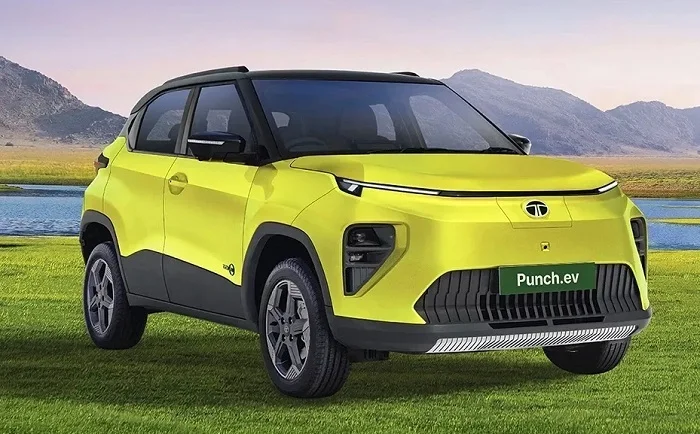
The Tata Punch EV is for buyers who want more space without moving into a very expensive electric SUV. It gives you a higher driving position, a practical body shape and enough room for normal family use.
Prices start around ₹9.69 lakh depending on the variant, while higher versions cost more because they offer larger batteries and extra features. The Punch EV works well for buyers who want one car for both city use and occasional family trips.
Hyundai Creta Electric
The Creta Electric gives you a proper family SUV experience with more space, bigger battery choices and better highway ability. It suits buyers who want electric power without giving up the comfort and size of a regular SUV.
The regular starting price is around ₹18.02 lakh ex-showroom, while higher variants can cost much more depending on battery size and equipment. Buyers who already like the regular Creta may find the electric version easy to consider.
Mahindra BE 6 SPORTEQ
The BE 6 SPORTEQ is one of Mahindra’s newer electric SUVs, and it focuses more on design, performance and technology than basic city driving. It is aimed at buyers who want a modern EV with a more premium feel.
The regular 59 kWh version starts around ₹19.45 lakh, while BaaS plans can reduce the upfront cost by separating battery payments. Higher versions can move above ₹25 lakh depending on the battery and equipment.
Hyundai IONIQ 5
The Hyundai IONIQ 5 sits in a much higher price bracket and is aimed at premium EV buyers. It offers a larger battery, more cabin space, stronger performance and faster charging than most entry-level electric cars.
Its price is around ₹55.70 lakh ex-showroom, which puts it far above mainstream EVs. It makes more sense for buyers who want premium technology and comfort rather than only low running costs.
What Does Battery Car Mean ?
A battery car is an electric car that mainly runs on a rechargeable battery pack instead of a petrol or diesel engine. The battery sends power to an electric motor, which then drives the wheels.
You can recharge the battery using a home charger or a public charging station. The basic idea is simple, but the technology is very different from a normal fuel-powered car.
What Affects Battery Car Price ?
The battery is one of the biggest reasons behind the final price because a larger battery usually gives more range and costs more. Motor power, charging speed, safety features and cabin quality also make a big difference.
Other things that matter include:
- Battery capacity
- Motor power
- Driving range
- Fast charging support
- Safety features
- Infotainment
- Vehicle size
- ADAS
- Interior quality
- Battery warranty
Two battery cars that look similar in size can still have very different prices because the battery, motor and technology may be completely different.
Also Read: F1 Car Price in Rupees 2026
Battery Size and Range
Battery size is usually measured in kWh, and a larger number often means the car can travel farther on one charge. Small city EVs may use batteries below 20 kWh, while family electric SUVs can use 40 kWh, 50 kWh or more.
A larger battery also adds weight and price, so bigger is not always better. If you mostly drive 30 or 40 km a day, you may not need the biggest battery available.
What Is Battery as a Service ?
Battery as a Service or BaaS separates the battery cost from the vehicle price, which lowers the upfront amount you pay. You then pay separately for battery use based on the plan offered by the company.
This option can look attractive because the starting price becomes lower. However, you should calculate your monthly driving before choosing it because long-term battery payments can become important if you drive a lot.
Battery Car Charging Cost
Charging at home is usually the cheapest and easiest option because you can plug the car in overnight and start the next day with more range. Public fast charging is more useful on long trips, but it can cost more.
Your total charging cost depends on electricity rates, battery size and how much you drive. This is why EV running costs can still vary from one owner to another.
Home Charging
Home charging makes battery car ownership much easier because you do not need to visit a charging station every few days. A normal AC charger is usually enough for overnight charging.
If you live in an apartment, you should check parking and electrical access before buying the car. An EV becomes much less convenient if home charging is difficult.
Fast Charging
Fast charging is useful when you travel longer distances because it can add a lot of range in much less time than normal home charging. However, not every EV supports the same charging speed.
The car, battery temperature and charger output all matter. You should not look only at the maximum charging number because real charging times can vary.
Battery Warranty
Battery warranty is important because the battery is one of the most expensive parts of an EV. Many electric cars offer long battery warranties based on years or kilometres.
You should check the exact terms before buying and see what happens if battery capacity drops over time. A strong battery warranty can give you more peace of mind during ownership.
Battery Replacement Cost
Battery replacement can be expensive, which is why many buyers worry about it. The good news is that most owners will not need to replace the full battery during normal early ownership.
Battery packs are designed to last many years, but replacement cost varies depending on the model and battery size. Larger battery packs usually cost more to replace.
Are Battery Cars Cheaper to Run ?
Battery cars are usually cheaper to run per kilometre than petrol or diesel cars, especially when they are charged at home. Electricity can cost much less than fuel, and EVs also have fewer moving parts in the powertrain.
However, total ownership cost still depends on insurance, tyres, battery terms and the original purchase price. Buyers who drive more each year may recover the higher purchase cost faster.
Battery Car vs Petrol Car
A petrol car is easier to refuel almost anywhere and can also be cheaper to buy in some segments. A battery car gives you quieter driving, smooth acceleration and lower daily energy costs.
Electric cars work especially well in city traffic, while petrol cars can still feel simpler on long highway trips where charging stations are limited. The better choice depends on how and where you drive.
Battery Car for City Driving
Battery cars are well suited to city use because stop-and-go traffic works well with electric motors. You also get instant acceleration and regenerative braking, which can make daily driving feel smoother.
Small EVs like the Comet EV are especially easy to park. If your daily route is predictable and short, a compact battery car can be a very practical option.
Battery Car for Long Trips
Long trips need more planning because charging access becomes more important. Buyers should look for a larger battery and good fast charging support if highway travel is common.
Public charging stations along your route also matter. A car with a claimed 500 km range may still deliver less in real driving depending on speed, weather and air conditioning.
Which Battery Car Price Range Should You Choose ?
Below ₹10 lakh, you are mainly looking at small city EVs and entry compact models. These can work well for daily city travel and short family trips.
Around ₹10 lakh to ₹20 lakh, more practical family options start appearing with better range and larger batteries. The ₹20 lakh to ₹30 lakh segment gives you stronger electric SUVs, while models above ₹50 lakh sit firmly in premium EV territory.
Is Buying a Battery Car Worth It in India ?
A battery car can be worth buying if you have reliable charging and drive regularly. Low running cost is one of the biggest advantages, while quiet driving and smooth acceleration also make daily use more comfortable.
You should not buy one only because EVs are popular now. Check charging access, real-world range, battery warranty and service support first, because these things matter more in daily ownership.
What Should You Check Before Buying ?
Start with how far you drive every day and then compare the cars that fit your needs. Price matters, but range, charging and warranty are just as important.
Check these things:
- Ex-showroom price
- On-road price
- Battery size
- Real-world range
- Charging time
- Fast charging
- Battery warranty
- Home charger
- Service support
- Insurance
- BaaS terms
A test drive is also important because electric cars feel different from petrol cars in acceleration and braking.
Questions People Ask
What Is the Cheapest Battery Car Price in India ?
Some compact battery cars start below ₹8 lakh ex-showroom, and the MG Comet EV sits near this entry-level range.
Which Battery Car Is Good Under ₹10 Lakh ?
The MG Comet EV and entry versions of the Tata Punch EV are among the main options around this budget.
How Long Does an EV Battery Last ?
EV batteries are designed to last many years, but actual life depends on usage, charging habits, temperature and battery technology.
Is a Battery Car Cheaper Than a Petrol Car ?
Running costs can be lower, especially with home charging, but the purchase price may be higher. Total savings depend on how much you drive.
Is Home Charging Necessary ?
Home charging is not always required, but it makes ownership much easier because you depend much less on public charging stations.
Battery car prices in India now cover a wide range, with small city EVs starting below ₹8 lakh and family electric SUVs usually sitting between roughly ₹10 lakh and ₹25 lakh. Premium battery cars can cross ₹50 lakh depending on the brand and features.
The right car depends on your budget, daily driving and charging access. Do not compare only battery size or showroom price because real-world range, charging speed, warranty and long-term running costs matter too.