
Flying cars sound like something from a science-fiction movie, but the technology is becoming real. Companies in India, China and other countries are testing electric aircraft that can take off vertically and carry passengers over city traffic. The main question is how much a flying car could actually cost in India.
So here’s the deal. Flying car prices in India do not have a normal showroom figure yet because personal flying cars are not commercially sold here like regular cars. Global models can already sit in the several-crore price category, while India’s first practical use of this technology is more likely to come through electric air-taxi services.
Flying Car Price in India 2026
Here is a quick look at some flying car and electric air-mobility projects. The prices are different because some are personal vehicles while others are being developed mainly for commercial passenger services.
| Flying Car or eVTOL | Expected Price or Status |
| XPeng AeroHT Land Aircraft Carrier | Under $280,000 globally |
| Personal Flying Car in India | No official retail price yet |
| ePlane e200X | Commercial service targeted for 2028 |
| Sarla Aviation Air Taxi | Planned for passenger service |
| Premium Imported Flying Car | Likely several crore rupees |
XPeng AeroHT has said its modular Land Aircraft Carrier is planned for production and deliveries in 2026 at no more than $280,000. India does not currently have an announced retail price for that vehicle, so an Indian buyer would also need to consider certification, import costs and taxes if it were eventually offered here.
XPeng AeroHT Land Aircraft Carrier
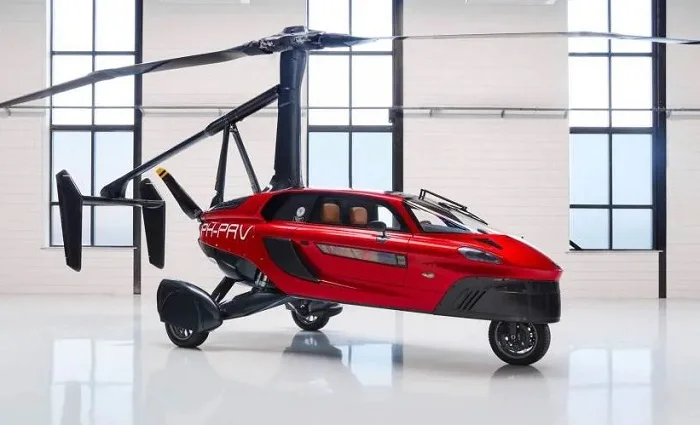
The XPeng AeroHT Land Aircraft Carrier is one of the most talked-about flying car projects. It uses a large ground vehicle that carries a separate electric flying module, so it is different from the classic idea of one car simply opening wings and taking off.
The company has targeted mass production and deliveries in 2026, with pricing capped at around $280,000 in its home market. It has also been building manufacturing capacity for large-scale production, which makes it one of the more serious flying car projects currently moving toward customers.
If this type of vehicle eventually reaches India, the final cost would likely be much higher than the original overseas price because aviation certification, taxes and import expenses could all add to the total.
India’s ePlane Flying Taxi
India is developing its own electric air-mobility technology through the ePlane Company, which grew out of IIT Madras. The company unveiled a full-scale electric vertical take-off and landing prototype in 2026.
The ePlane project is not being positioned as a personal car that buyers can simply park at home. The current plan focuses on commercial air-taxi and emergency medical services, with passenger operations targeted for around 2028.
The aircraft is expected to offer short urban flights and reduce travel time between busy parts of large cities.
Sarla Aviation Flying Taxi
Sarla Aviation is another Indian company working on electric vertical take-off and landing aircraft. Its focus is on urban passenger transport rather than private car ownership.
The company has discussed six-passenger aircraft and wants air-taxi travel to compete with premium road transport services. This means customers may pay for a journey instead of buying the aircraft itself.
For most Indian users, this kind of service may arrive much earlier than privately owned flying cars.
What Is a Flying Car ?
The term flying car can mean several different things. Some designs can travel on roads and also fly, while others are basically small electric aircraft designed for city transport.
Many modern projects use eVTOL technology, which stands for electric vertical take-off and landing. These aircraft use electric motors and multiple propellers to rise vertically without needing a long runway.
This makes them useful for crowded cities where building traditional airports would be difficult.
Flying Car vs Air Taxi
A personal flying car would be owned by an individual, similar to owning a normal car. The owner would need somewhere to store it and would also need to follow aviation rules before flying.
An air taxi works more like Uber in the sky because passengers book a trip without owning the aircraft. The operator handles pilots, maintenance, charging and aviation approvals.
India appears much closer to the air-taxi model than widespread personal flying car ownership.
Also Read: Open Car Price in India 2026
What Affects Flying Car Price ?
Flying cars are expensive because they combine automotive and aviation technology in one system. The aircraft needs to be light, powerful and safe enough to operate above populated areas.
Other things that affect price include:
- Battery capacity
- Electric motor power
- Number of propellers
- Flight range
- Passenger capacity
- Carbon fibre structure
- Navigation technology
- Safety systems
- Autonomous flight features
- Aviation certification
A flying car therefore needs far more specialised equipment than a normal electric vehicle.
Flying Car Battery
Most new flying car projects use large rechargeable battery packs. These batteries provide electricity to the motors that power the propellers.
Weight is especially important because every extra kilogram makes flight more difficult. Engineers therefore need batteries that store plenty of energy without becoming too heavy.
Battery technology is one of the biggest challenges facing electric flying vehicles today.
Flying Car Range
Flying range depends on the aircraft design and battery size. Many urban eVTOL projects are being designed for short city trips rather than long-distance flights.
India’s ePlane project has discussed a range of roughly 100 km to 110 km for its aircraft, which would be enough for many urban and regional trips.
For city air taxis, short travel time can matter more than having a huge range because the goal is mainly to avoid road congestion.
How Fast Can a Flying Car Go ?
Speed varies greatly between models, but eVTOL aircraft are designed to travel much faster between city locations than cars stuck in traffic.
The real advantage is not always maximum speed. A flying vehicle can take a much more direct route because it does not need to follow normal roads.
A journey that takes more than an hour by car could therefore take only a few minutes by air if suitable take-off and landing points are available.
Flying Car Charging
Electric flying vehicles need powerful charging systems because their batteries use large amounts of energy during flight. Fast turnaround will be especially important for commercial air-taxi companies.
An air taxi may need to recharge several times during a busy day. Operators will therefore need charging infrastructure at special landing areas or vertiports.
Private flying cars would create another challenge because owners would need suitable charging and storage facilities.
Flying Car Safety
Safety will be one of the biggest factors deciding whether flying cars become common. A mechanical problem on the road is very different from a technical problem in the air.
Modern eVTOL designs often use several motors and propellers so the aircraft can have backup systems. Advanced sensors and flight-control software can also monitor the aircraft continuously.
Before carrying normal passengers, these vehicles must pass aviation certification and safety requirements.
Do You Need a Pilot Licence ?
The answer depends on the aircraft and regulations. Some flying vehicles may require a trained pilot, while future autonomous designs could reduce how much control passengers need.
Current aviation rules still treat flying vehicles much more like aircraft than regular cars. This means training, licensing and operating approvals can become important.
Fully autonomous flying cars could change this in the future, but regulations will need to catch up with the technology.
Can Flying Cars Use Normal Roads ?
Some flying car concepts are designed to drive on roads, but many eVTOL aircraft are not. They need dedicated landing areas rather than normal parking spaces.
The XPeng Land Aircraft Carrier solves this differently because its large road vehicle transports a separate flying module. The ground vehicle stays on the road while the aircraft detaches for flight.
This modular approach may be easier than building one machine that performs perfectly as both a car and an aircraft.
Are Flying Cars Legal in India ?
Flying vehicles would need approval from aviation authorities before they could operate freely in India. Normal road registration alone would not be enough.
The aircraft would need to meet safety, certification and airspace requirements. Operators would also need approved take-off and landing infrastructure.
This is why flying cars cannot simply be imported and used like normal luxury vehicles.
When Will Flying Cars Launch in India ?
India has already moved into the prototype stage for electric air taxis. The ePlane Company unveiled its full-scale prototype in 2026 and is targeting commercial operations around 2028.
That does not mean private flying cars will become common in 2028. Commercial air-taxi services are more likely to arrive first, while personal ownership could take much longer.
Certification, infrastructure and cost will all affect the timeline.
Flying Taxi Price in India
Flying taxi passengers will pay for individual journeys rather than the entire aircraft. Companies want these services to compete with premium road transportation rather than private helicopters.
Earlier Indian air-taxi plans discussed fares of a few thousand rupees for short city routes, although actual commercial pricing could change significantly before regular services begin.
The goal is to make short flights affordable enough for business travellers and other urban passengers.
Flying Car vs Helicopter
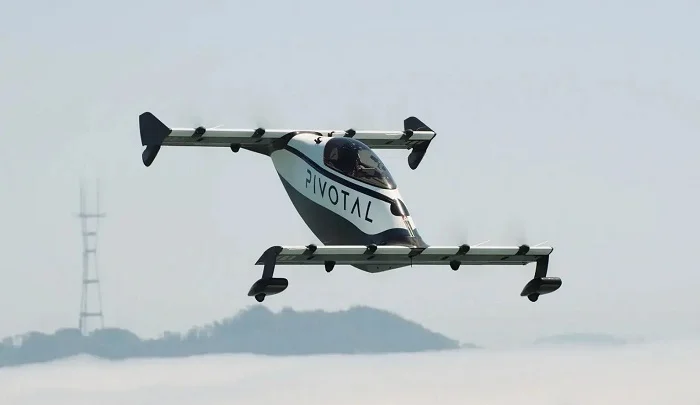
A helicopter can take off vertically just like an eVTOL aircraft, but it uses a very different power system. Helicopters are also noisy and expensive to operate.
Electric flying cars and air taxis are designed to be quieter and potentially cheaper for short urban journeys. Multiple electric motors can also simplify some parts of the propulsion system.
However, helicopters already have decades of proven operation, while eVTOL aircraft still need to demonstrate their reliability at large scale.
Flying Car vs Electric Car
An electric road car is much cheaper and simpler because it only needs to move along the ground. It can use a heavier battery because weight is less critical.
A flying car needs enough power to lift itself and its passengers into the air. This requires much more energy and stricter safety engineering.
This is why flying vehicles will remain much more expensive than normal EVs for the foreseeable future.
Flying Car Maintenance Cost
Flying car maintenance is likely to be expensive because aviation equipment must meet strict safety standards. Motors, propellers, batteries and flight-control systems will need regular checks.
Other costs can include:
- Battery maintenance
- Motor inspection
- Propeller replacement
- Software updates
- Aviation inspections
- Insurance
- Storage
- Charging
- Landing fees
- Specialist technicians
Commercial operators may handle these costs for air-taxi passengers, which is another reason shared services could become more practical than private ownership.
Flying Car Insurance
Insurance could become another major ownership cost because flying vehicles carry risks that normal car insurance does not cover. Policies may need to include both aviation and ground-related risks.
The final insurance structure will depend on regulations and how these vehicles are classified. Commercial operators will also need significant passenger and liability coverage.
This could make private flying car ownership expensive even after the purchase is complete.
Which Flying Car Price Range Should You Expect ?
A real personal flying car should not be expected to cost anywhere near a normal ₹10 lakh or ₹20 lakh family car. Early models are likely to remain luxury products costing several crore rupees.
XPeng’s Land Aircraft Carrier has been announced below $280,000 in its home market, while an Indian retail price has not been announced.
More affordable flying mobility may therefore come through air-taxi fares rather than personal vehicle ownership.
Is Buying a Flying Car Worth It ?
For most people in India, buying a flying car does not make practical sense yet because there is no mainstream retail market or supporting infrastructure.
Commercial air taxis could be much more useful because passengers would not need to worry about maintenance, pilot training or aircraft storage.
Private ownership may become more realistic later if prices fall and regulations become clearer.
What Should You Check Before Buying ?
Anyone considering a flying vehicle in the future would need to look at much more than the purchase price. Certification, legal operation and maintenance would matter just as much as performance.
Important things to check include:
- Purchase price
- Indian certification
- Flight range
- Battery size
- Charging time
- Passenger capacity
- Pilot requirements
- Insurance
- Maintenance
- Storage
- Landing facilities
- Spare parts
A flying vehicle should never be purchased without confirming that it can legally and safely operate where you plan to use it.
Questions People Ask
What Is the Flying Car Price in India ?
There is no official mainstream flying car showroom price in India yet. Overseas personal flying car projects already sit in the several-crore price category.
Can I Buy a Flying Car in India ?
There is no normal mass-market flying car available through Indian dealerships yet. Imported aircraft would also need proper aviation certification and approvals.
When Will Flying Cars Come to India ?
India’s electric air-taxi industry is already testing full-scale prototypes, with the ePlane Company targeting commercial services around 2028.
How Much Does the XPeng Flying Car Cost ?
XPeng AeroHT has announced a target price of no more than $280,000 for its modular Land Aircraft Carrier, although an official Indian price has not been announced.
Are Flying Cars Electric ?
Many modern flying car and air-taxi projects use electric motors and batteries. These vehicles are commonly known as eVTOL aircraft.
Flying car prices in India do not have a normal retail range yet because the technology is still moving through development and certification. Global personal flying car projects already cost several crore rupees, while India’s own eVTOL industry is currently focused more on commercial air-taxi services than private ownership.
The future looks interesting, but price is only one part of the story. Certification, charging, safety, landing infrastructure and maintenance will all decide how quickly flying vehicles become practical in India. For most people, the first real experience of this technology will probably come from booking an air taxi rather than buying a flying car.