
Formula 1 cars are nothing like normal road cars. They use carbon fibre, advanced hybrid engines, complex aerodynamics and racing technology that costs a huge amount to develop. The main question is how much an F1 car actually costs in Indian rupees.
So here’s the deal. F1 car price in Indian rupees does not have one fixed number because current race cars are not sold in showrooms. A modern F1 car can represent roughly ₹100 crore to ₹150 crore or more in specialised parts and technology, while the full development cost behind it can be much higher.
F1 Car Price in Indian Rupees 2026
Here is a rough look at what different parts of a Formula 1 car can be worth. These are estimates because teams do not normally publish retail prices for individual race components.
| F1 Car Item | Approx Cost in Indian Rupees |
| Complete Modern F1 Car | ₹100 crore to ₹150 crore+ |
| Hybrid Power Unit Package | ₹150 crore to ₹200 crore+ |
| Carbon Fibre Chassis | Several Crore Rupees |
| Front Wing | Around ₹1 crore or more |
| Steering Wheel | Tens of Lakhs |
| Historic F1 Car | ₹10 crore to ₹100 crore+ |
The physical car itself is extremely expensive, but that is only part of the story. Teams also spend huge amounts on research, simulation, testing and upgrades throughout the season.
Why Is an F1 Car So Expensive ?
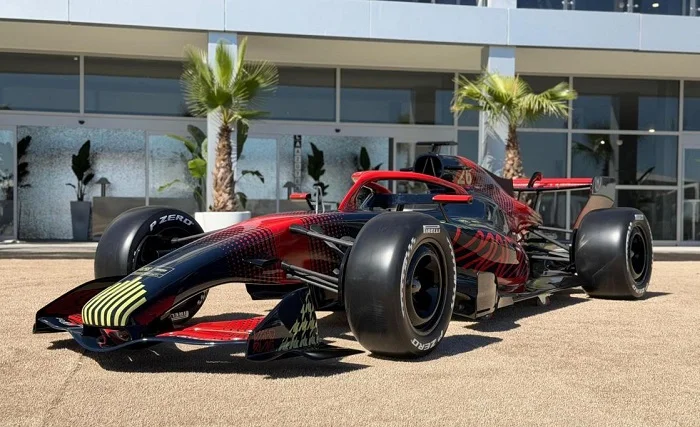
An F1 car is designed only for racing, and almost every part is built to save weight and improve speed. Teams do not use normal mass-produced parts because even tiny performance gains can decide race results.
The materials are also expensive, while the engineering work behind them adds even more cost. A new wing or suspension part may look simple, but months of design and testing can sit behind it.
This is why the real value of an F1 car is much higher than simply adding up the raw materials.
F1 Engine Price in Indian Rupees
The power unit is one of the most expensive parts of a Formula 1 car. Modern F1 cars use a turbocharged V6 engine combined with electric motors, battery systems and advanced energy recovery technology.
A full power-unit supply package for a team can represent well above ₹150 crore and can move toward ₹200 crore or more depending on the rules and currency rates. This package covers much more than one engine because teams need several units and supporting components during a season.
So when someone talks about the price of an F1 engine, it is important to understand that there is no simple showroom-style engine price.
F1 Hybrid Power Unit
Modern Formula 1 cars use hybrid technology to combine petrol power with electricity. The electric side has become even more important under the latest technical rules.
This means the car needs advanced batteries, motors, control systems and cooling equipment. All of these parts must be powerful while staying extremely light.
That combination is difficult to engineer, which is one reason the power unit costs so much.
F1 Carbon Fibre Chassis
The main chassis of an F1 car is made from carbon fibre composite material. It needs to be extremely light while also protecting the driver during high-speed crashes.
The driver sits inside a strong survival cell that must pass strict safety tests. Building this structure requires special materials, equipment and manufacturing methods.
Once design and testing are considered, the chassis can represent several crore rupees in value.
F1 Front Wing Price
The front wing plays a major role in how air moves around the car. A small design change can affect grip, balance and the performance of other aerodynamic parts.
Teams can use different wing designs for different circuits, and damaged wings may need to be replaced during a race weekend. This means several units have to be manufactured.
A modern F1 front wing can represent around ₹1 crore or more when specialised production and development are considered.
Also Read: Small Car Price in India 2026
F1 Steering Wheel Price
The steering wheel in an F1 car is much more than something used to turn the wheels. It works as a control centre for many systems inside the car.
Drivers can use it to control:
- Gear changes
- Brake settings
- Differential
- Radio
- Energy management
- Display settings
- Pit functions
- Driving modes
The wheel also contains a digital display and advanced electronics. Because of this, its value can reach tens of lakhs of rupees.
F1 Brake System
Formula 1 cars need incredibly powerful brakes because they regularly slow down from very high speeds. Carbon materials are used because they can handle extreme temperatures while staying light.
Cooling is also important because the brakes can become extremely hot during racing. Teams carefully design brake ducts to control temperature without hurting aerodynamics.
The entire system is far more advanced than the brakes used on normal road cars.
F1 Gearbox
An F1 gearbox has to change gears extremely quickly while handling huge amounts of power. At the same time, it must stay compact and light.
Drivers use paddles behind the steering wheel to change gears without using a normal manual gear lever. The shifts happen very quickly because even a small delay can affect lap time.
The gearbox is another expensive part that requires specialist engineering and maintenance.
F1 Suspension
Formula 1 suspension is designed mainly for performance rather than comfort. It keeps the tyres working properly and helps control the car during braking, acceleration and cornering.
Suspension design can also affect airflow around the car. This means engineers must think about both mechanical grip and aerodynamics.
Each component needs to be strong, light and precise, which pushes the price higher.
How Fast Is an F1 Car ?
A Formula 1 car can travel above 300 km/h on circuits with long straights. However, top speed alone does not explain why these cars are so fast.
The real advantage comes from braking and cornering. Huge aerodynamic downforce lets an F1 car take corners at speeds that normal road cars cannot match.
This is why an F1 car can destroy many supercars around a race track even if their maximum speeds look similar.
F1 Car vs Supercar Price
A supercar is expensive, but it is still designed as a production road vehicle. You can buy a Ferrari, Lamborghini or McLaren and use it on public roads after registration.
An F1 car is a racing prototype that exists mainly to compete under Formula 1 regulations. A road-going supercar may cost around ₹4 crore to ₹10 crore or more, while a current F1 car can represent many times that amount.
The gap becomes even bigger when research and development costs are included.
Can You Buy an F1 Car in India ?
You cannot normally buy a current Formula 1 car from a regular dealership. Current race cars remain under the control of the teams and are not normal retail products.
Older race cars can sometimes be sold through private collectors and international auctions. Show cars and detailed replicas are also available for people who mainly want something for display.
A real historic race-used F1 car can cost far more than a replica because its racing history adds huge value.
Historic F1 Car Price in Indian Rupees
Historic F1 cars can have very different prices depending on the team, driver and racing history. A car linked to a famous world champion can be much more valuable than an ordinary older chassis.
Some historic cars may cost around ₹10 crore to ₹20 crore, while important race-winning examples can reach ₹50 crore, ₹100 crore or even more.
Original engines, documents and race records can also increase the value significantly.
F1 Show Car Price
A Formula 1 show car is built mainly for display and usually costs much less than a real race-used machine. It may have realistic bodywork and a proper-looking cockpit without a functional racing power unit.
These cars are often used at exhibitions, sponsor events and brand displays. They can also be attractive to private collectors who want the F1 look without the maintenance problems of a real race car.
The final cost depends on how accurate and detailed the replica is.
Can an F1 Car Drive on Indian Roads ?
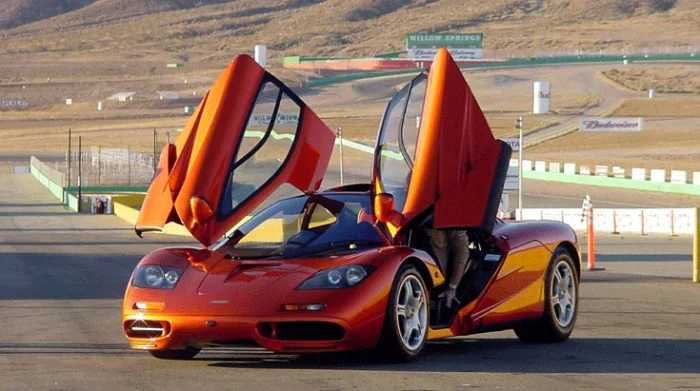
An F1 car is not practical for normal Indian roads because it has extremely low ground clearance and is designed for smooth racing circuits. Speed breakers, potholes and parking ramps would create major problems.
The tyres and brakes also need special operating conditions, while the car does not have the normal equipment expected from a road vehicle. Registration would also be a major issue.
For proper driving, an F1 car needs a race circuit and specialist support.
F1 Car Maintenance Cost
Keeping a Formula 1 car running can cost a huge amount because normal workshops cannot service it. Specialist engineers and racing equipment are required for even basic operation.
Other costs can include:
- Specialist mechanics
- Transport
- Racing tyres
- Engine servicing
- Gearbox maintenance
- Replacement parts
- Electronics support
- Storage
- Track fees
- Insurance
Even an older F1 car can therefore be very expensive to own after the purchase is complete.
Which F1 Part Costs the Most ?
The power unit is one of the most expensive systems, but it is difficult to name one part as the clear winner. The chassis, gearbox and aerodynamic components all involve huge engineering costs.
Research and development can also cost much more than physically manufacturing the part. A carbon fibre component may not look very large, but thousands of hours of simulation and testing may have gone into its design.
This is why F1 costs become so difficult to calculate accurately.
Is an F1 Car Worth Buying ?
For normal buyers, an F1 car is not practical because it cannot be used like a road car. Maintenance is difficult, storage needs are unusual and specialist support is almost always required.
For serious collectors, the situation is different because an important historic car can be a valuable piece of motorsport history. Cars connected with famous drivers or championship seasons can also become highly collectible.
Buying one therefore makes more sense as a passion purchase than as normal transportation.
What Should You Check Before Buying ?
Buying a historic Formula 1 car requires much more research than buying a regular used car. The car’s history and originality can affect its value by several crore rupees.
Check these things:
- Chassis number
- Team history
- Driver history
- Race results
- Original engine
- Gearbox
- Bodywork
- Service records
- Spare parts
- Running condition
- Import costs
- Storage needs
A motorsport specialist should inspect the vehicle before you make any serious purchase.
Questions People Ask
What Is the F1 Car Price in Indian Rupees ?
A current Formula 1 car can roughly represent ₹100 crore to ₹150 crore or more in specialised hardware and technology, although there is no official retail price.
How Much Does an F1 Engine Cost in Indian Rupees ?
The full power-unit package for a Formula 1 team can represent well above ₹150 crore and can move toward ₹200 crore or more, but this includes much more than one engine.
Can I Buy an F1 Car in India ?
Current Formula 1 race cars are not normally available to private buyers, but historic cars, replicas and show cars can sometimes be purchased.
Why Does an F1 Car Cost So Much ?
The high cost comes from hybrid engines, carbon fibre, advanced aerodynamics, electronics, safety systems and huge research and development expenses.
Is an F1 Car More Expensive Than a Supercar ?
Yes. Most road-going supercars cost far less than a modern F1 car once specialised components and development are considered.
The F1 car price in Indian rupees does not have one exact figure because modern Formula 1 cars are not sold like normal vehicles. A complete race machine can roughly represent ₹100 crore to ₹150 crore or more, while the engineering and development behind it can push the real cost much higher.
The power unit, chassis, gearbox and aerodynamic parts all require advanced technology and expensive materials. This means an F1 car is more than an expensive racing machine because it represents years of engineering, research and development packed into one incredibly fast vehicle.