
Out there by the roadside, stillness brings risk. Swapping a tire means facing more than bolts and tread – it’s coping with imbalance while traffic hums past. Time won’t wait, weather shifts, hands grow shaky. Standard steps say pick a level patch, crack the lugs loose first, lift with the jack, then pull off the damaged rim. Yet stress bends routine – what unfolds when your plan slips mid-task?
Understand Where Flat Tires Usually Happen
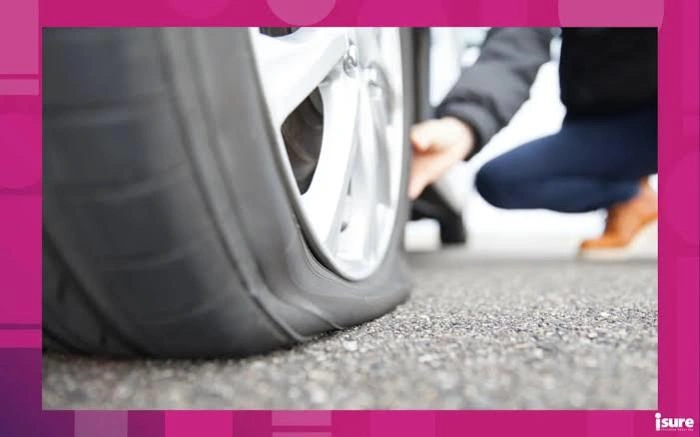
Most flat tires happen when movement slows down – like near ramps, crossroads, or tight roadside strips. Moving too far beyond the road edge risks tipping the car onto loose soil. When the right wheels dip just a bit, lifting the car gets risky. Shifting could begin without warning. On even terrain, people forget heat changes tire material. Cold slows how fast a tire loses air, yet warmth speeds it up – the change comes from gas shrinking, not safety improving. People see less drop and think things are fine. They aren’t.
Find a Safe Place to Stop
Start by thinking about where you are, not what you have. Right away, switch on the hazard blinkers – yes, even when the sun is up. Being seen matters for more than just being noticed; flashing yellow makes drivers around react without realizing it, so they pass less closely. Check how solid the ground feels next. Road sides made of asphalt break down quicker than center strips. Where the surface shows splits or wear, strength fades. Choose spots to stop only when the base looks whole, best above painted stripes since those mark tougher connections between sections.
Secure the Vehicle Before You Begin
After halting, pull the parking brake tight. Some cars can’t hold their place using only gearbox resistance. For manuals, stay in first or reverse when parked. With automatics, select “P” – this triggers a physical latch in the transmission, not merely where the lever sits.
Gather Your Tools
Out comes the spare tire, jack, and wrench from where they’ve been sitting. Most people never look at the spare until this moment arrives. Compact versions, sometimes called donuts, can handle just fifty miles tops. Pressure inside them runs higher than regular tires, say sixty pounds per square inch. Knowing these things ahead of time helps more than realizing it when trouble hits.
Loosen the Lug Nuts
Lug nuts tighten up after months of driving. Rust forms where steel studs meet aluminum wheels, locking them together. Loosen them slightly before raising the vehicle – this avoids bending when it hangs free. Wait until the wheel is still touching the pavement. Hitting the wrench by hand delivers a sharper jolt than pulling hard, breaking grip safely. What matters most? The sudden impact frees stuck parts. When things jam, never add a pipe to stretch the wrench. Broken studs come out crooked. Repair bills jump fast.
Position the Jack Correctly
Some cars lift best at different spots. Frame rails close to the suspension work for many passenger vehicles. Larger models like pickups usually rely on strong seams down the lower edges. Lift in the wrong place, metal could bend. Wrong positioning invites damage. Lateral slide happens when contact points do not line up right. A lifted car can shift if parts are out of position. Underneath is never a safe spot while lifting. Body parts belong clear of that area at all times.
Remove the Flat Tire
One inch off the ground is enough. Higher risks shaking. Change just the broken wheel. Never switch others ahead of time.
Install the Spare Tire
Set the spare straight. Nuts must slip into place without effort. Resistance means wrong match. Not all five-bolt wheels work everywhere. Spacing such as 114.3mm or 120mm varies – even between cars from the same maker. Pushing it harms threading deep inside.
Tighten the Lug Nuts Properly
Start by snugging the lugs with your hands before bringing the car down. Work in a crisscross pattern so pressure spreads evenly across the hub. Save maximum tightness until later – do that step once on solid ground. As you lower it, the suspension squishes under load, shifting mass back toward the tire. Start tightening only when fully ready. Too much force bends soft metal parts; too little means wheels might loosen while moving fast. Most regular vehicles need between 80 and 100 pound-feet. Not many keep proper tools inside the car.
Drive Carefully After Installing the Spare
After driving with one, things feel off. A temporary spare changes how the car responds when turning. Stopping takes more space than usual. The wheel gets loose beyond forty-five miles per hour. Get help at a repair shop without delay. Regular-sized replacements bring back expected behavior – yet wobbling may remain if tire wear isn’t close across all wheels. Uneven traction makes sliding on soaked pavement more likely.
Check the Condition of Your Tires

Hidden damage often tells the real story. From within, rubber begins to break down slowly. As oxygen seeps through inner layers, tiny cracks form well ahead of any outward sign. A tire aged past six years carries risk, even if it looks perfect. Look at the numbers near the rim – one example being 2319 – to know when it started aging.
Also Read: How to Make Rice Water for Face: A Simple Guide for Natural Skincare
Why Spare Tires Matter
Most people do not know spare tires only became common after World War Two. Car companies started adding them once roads stretched farther between towns. Before that, getting stuck was just part of travel. Help often arrived a long time afterward. Now, we assume fixes happen right away, even though systems are wearing down. Many remote areas still lack phone signal. When GPS struggles close to sharp slopes, old-fashioned maps help. Mile markers scribbled down make locating faster. Not every signal reaches deep cuts in the land – paper does not need a tower.
Stay Calm During a Flat Tire
A blown tire shows how thin the surface of normal really is. Skill matters less than decisions made on the spot. The world sets the speed – trucks rushing by, light fading unevenly, cars just feet away. Every piece shifts what feels safe. Doing it before means something, but nothing mimics standing there, exposed.
This process does not mean you’ve won. It means keeping things boxed in. Damage goes down. Movement comes back. Life keeps going.
Frequently Asked Questions
1. What should I do first when I get a flat tire?
Turn on your hazard lights and move to a safe, level place before attempting to change the tire.
2. Should I loosen the lug nuts before lifting the car?
Yes. Loosen the lug nuts slightly while the tire is still touching the ground. This makes removal easier and safer.
3. How fast can I drive on a spare tire?
Most compact spare tires are designed for short distances and speeds below about 50 mph (80 km/h). Check your vehicle’s recommendations.
4. How do I know if my tire is too old?
Look for the DOT date code on the tire sidewall. Tires older than six years should be inspected carefully, even if they still look fine.
5. Can I drive for a long time with a spare tire?
No. A spare tire is only a temporary solution. Replace or repair the damaged tire as soon as possible.