
Most of the time, washing machines leave pet hair right where it started – just moved. Bumping and churning shifts strands across clothes, sometimes pushing them further into fibers. That motion can make fabrics seem rougher once the spin ends. Clothes coming out feeling odd? Blame how the fur gets tossed between items instead of vanishing.
Why Dog Hair Stays on Clothes
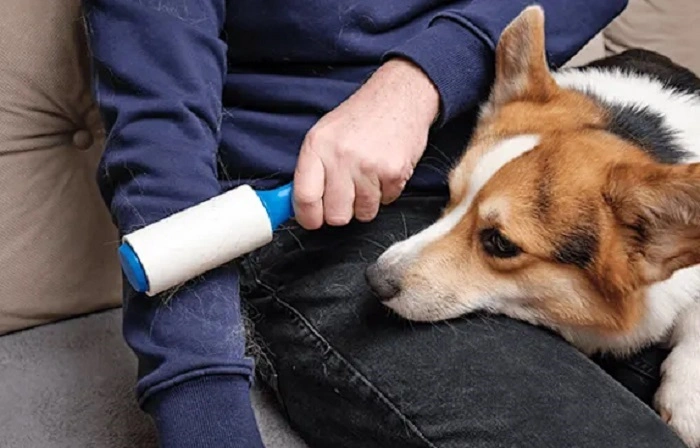
Most of the time, washing machines leave pet hair right where it started – just moved. Bumping and churning shifts strands across clothes, sometimes pushing them further into fibers. That motion can make fabrics seem rougher once the spin ends. Clothes coming out feeling odd? Blame how the fur gets tossed between items instead of vanishing.
Remove Dog Hair Before Washing
Before the machine runs, act early.
Try Masking Tape
- Use regular masking tape.
- Press gently instead of rubbing.
- Loop tape around your fingers with the sticky side facing outward.
- Tap problem areas quickly.
Try masking tape – the kind from desks – to remove fuzz from clothes. Press it gently instead of rubbing hard. Loop a piece over fingers, adhesive facing outward, then tap spots quickly. This leaves behind less gunk compared to heavy-duty tapes while handling soft materials safely. Every touch pulls up tiny threads plus obvious lint thanks to invisible electric attraction between surfaces.
Use Tennis Balls in the Dryer
Right after washing, something small gets missed. Clothes spin in heat but fur sticks around unless help shows up.
Dryer Tip
| Item | Purpose |
| Clean Tennis Balls | Loosen pet hair |
| Rubber Dryer Balls | Improve air movement |
| Wool Dryer Balls | May work less effectively on polyester blends |
Clean tennis balls tossed into the mix shift how air moves inside. Bouncing constantly, they shake loose what clings too hard. Rubber bumps seem to work better than fluffy wool ones, especially on polyester mixes. Each thump breaks holdfast threads through tiny shocks.
Add Vinegar to the Laundry
Most people overlook what goes into laundry besides detergent. Though fabric softeners leave clothes feeling softer at first, their coating on fibers might cause gunk to stick around longer over time by weakening natural static that helps dirt fall away.
Also Read: How to Make Black Coffee
Laundry Additions
- White vinegar during the rinse cycle
- Avoid excessive fabric softener
- Use standard detergent amounts
White vinegar slipped into the final wash water changes things a bit – its mild acidity eases out grime caught deep in cloth threads while staying safe for everyday fabrics like cotton and polyester.
Store Clothes Carefully
Close things up carefully when putting clothes away. Sweaters sitting next to nylon jackets? Tiny bits move between them easier because their surfaces grab lint in separate ways.
Storage Tips
- Separate fuzzy fabrics from synthetic materials.
- Use loose-weave cotton storage sacks.
- Keep clothing organized by fabric type.
Wrap fuzzy fabrics in loose-weave cotton sacks whenever you can. Stuff inside stays cleaner that way.
Watch Indoor Humidity
Surprise factor hiding in plain sight: how damp the air feels inside.
| Humidity Level | Effect |
| Below 40% | More static and hair cling |
| Above 40% | Less static buildup |
When indoor moisture dips under 40%, it’s easier for sparks to jump around – especially tugging loose fur from your dog as they shift through clothes. That sudden cling isn’t magic; dry air pulls threads apart without warning. Try watching numbers on a simple gauge that tracks wetness in rooms where fuzz piles up each year.
Why Timing Matters
Nothing lasts forever when it comes to dog hair. Unlike grime, pet strands are made of keratin – like ours – only thinner, so tools struggle on different fabrics.
Best Order for Removing Dog Hair
- Start with dry methods like tape or lint rollers.
- Move on to laundry adjustments.
- Use proper drying techniques.
- Store clothes carefully afterward.
Success depends less on effort and more on timing: begin with dry methods like tape or rollers before shifting to laundry tweaks, then move into careful drying routines plus thoughtful storage steps after. Order matters most.
Most times, doing a little works best. A few minutes every week stops buildup more effectively than one big push each month. What matters is showing up often, not how hard you go.