
That glow from the sun? It reshapes skin in ways most treatments aren’t built to fix. While many products scrub the top layer or add shine, only a handful look at why face cells keep acting different even when sunlight is gone.
Why Does Facial Tanning Happen?
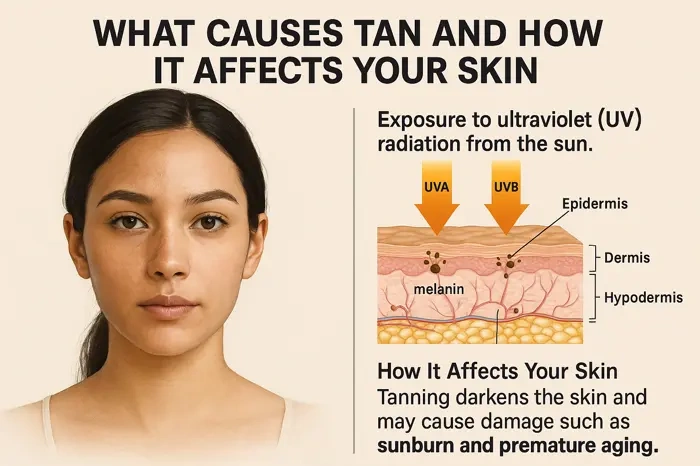
Out in the sun, skin darkens because special cells respond to UV light by making more color. Not a surface mark – this change is part of how the body shields inner tissue. The coloring doesn’t spread smoothly, landing in patches instead. Many solutions try to fade or rub off discoloration, yet miss a key detail: old cells packed with pigment stick around, lingering longer when skin renewal slows after sunlight hits.
Highlights
- Skin darkens because special cells respond to UV light.
- The body makes more color to shield inner tissue.
- The coloring does not spread smoothly.
- Old cells packed with pigment stick around longer.
- Skin renewal slows after sunlight hits.
Help Your Skin Renew Naturally
Most people look to lotions first, yet when you apply matters more. Around four weeks is how long skin takes to refresh itself normally. Moving that process along just a bit helps fade uneven tones gradually. Try using a mild alpha hydroxy acid item at bedtime – such as lactic or glycolic – two evenings per week to begin. They ease dead cell separation while protecting hydration levels, something rough physical exfoliants fail to do, often aggravating dark spots triggered by irritation.
From Your Routine
- Use a mild alpha hydroxy acid.
- Lactic acid and glycolic acid are examples.
- Apply it at bedtime.
- Begin with two evenings per week.
- Protect hydration levels.
- Avoid rough physical exfoliants.
Use Vitamin C to Slow Ongoing Pigment Activity
Later on, pause the tanning process mid-step. Sunlight may have faded, but leftover damage keeps pigment cells working overtime. Vitamin C – specifically L-ascorbic acid around 10 to 15 percent – steps in here. It cools down those lingering chemical sparks. Slather it on each morning before your usual sunblock layer. Protection widens now: instead of just blocking rays, you’re cleaning up harmful traces left behind.
Key Points
- Use L-ascorbic acid around 10 to 15 percent.
- Apply it every morning.
- Use it before your usual sunblock.
- It helps cool down lingering chemical sparks.
- Sunblock remains an important part of the routine.
Keep Your Skin Hydrated
Water levels matter more than people think. When skin lacks moisture, it scatters light unevenly, so dark spots stand out stronger. Creams with ceramides clear things up not by changing color but by flattening rough surface cells, helping light spread uniformly. What you see looks like a reduction, though nothing has been bleached or removed.
Remember
- Skin without moisture scatters light unevenly.
- Dark spots stand out more.
- Ceramide creams flatten rough surface cells.
- The appearance improves without bleaching the skin.
Avoid Heat While Healing

Heat might spark a setback when healing. Showers that are too warm, steam rooms, or workouts that raise body temperature soon after care could widen blood vessels – nudging surviving pigment cells into activity. Hours must pass before hot environments meet fresh sites.
Also Read: How to Silence Apple Watch: Simple Ways to Control Alerts and Notifications
Avoid
- Hot showers.
- Steam rooms.
- Workouts that raise body temperature soon after care.
- Freshly treated skin meeting hot environments too soon.
Give Your Skin Time
Change comes slowly – never fast enough to see next week, always unfolding across months of quiet repair. Biology prefers steady effort instead of sudden change. Skin damaged by sunlight cannot restart fresh; it moves forward only when given ongoing care through each healing phase.
Final Thoughts
One thing alone won’t wipe away a tan right away. Change happens through repeated steps that work with skin’s natural cycle instead of pushing against it.
Frequently Asked Questions
1. How can I remove tanning from my face?
Your skin fades a tan gradually through its natural renewal cycle. Consistent care with gentle exfoliation, Vitamin C, hydration, and sun protection helps support that process.
2. How long does it take for facial tanning to fade?
Around four weeks is how long skin takes to refresh itself normally. Even so, change comes slowly and often unfolds across months of quiet repair.
3. Can Vitamin C help reduce facial tanning?
Yes. Your article explains that L-ascorbic acid around 10 to 15 percent helps cool down lingering chemical sparks after sun exposure. It is used each morning before sunblock.
4. Does moisturizing help remove a tan?
Keeping skin hydrated helps light spread more evenly across the surface. Dark spots may appear less noticeable, even though nothing has been bleached or removed.
5. What should I avoid while trying to fade a tan?
According to your article, avoid:
- Rough physical exfoliants.
- Showers that are too warm.
- Steam rooms.
- Workouts that raise body temperature soon after care.
- Fresh skin meeting hot environments before it has time to recover.