
You talk about electric cars in India now? Mahindra’s name pops up. Feels normal, right? But wait. It wasn’t always like this. Way before EVs were cool, before charging spots showed up, before people talked range at dinner. Mahindra took a huge risk. They jumped into electric cars early.
The story of Mahindra’s first EV isn’t loud. Not flashy either. It’s simple. They tried stuff. Very Mahindra style. They tested things in a market that wasn’t ready. Learned the hard way. Then slowly built what electric cars would become here.
Why Mahindra Entered the EV Space So Early
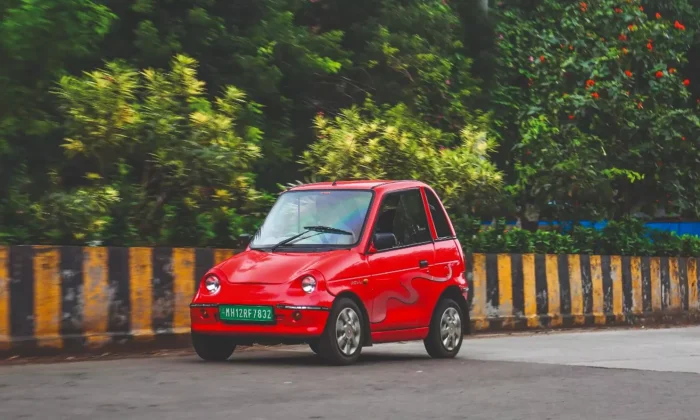
Mahindra thinks differently from other car brands. They don’t build cars for show. They build them for real use.
Before EVs were trendy, Mahindra thought about:
- Fuel needs
- City smog
- Future travel plans
- Indian roads and how we use them
For India, electric cars made sense. Short daily trips. Packed cities. Rising fuel costs. Mahindra saw it early.
What Was Mahindra’s First EV Car in India
Mahindra’s first real electric car was the e2o. But wait, there’s more. It came from the REVA car. You need to know one key thing here.
Mahindra didn’t just make an EV from nothing. They bought REVA Electric Car Company in 2010. That deal gave them:
- EV tech
- Battery know-how
- Years of testing
So REVA came first. But the e2o became Mahindra’s own electric baby.
The Mahindra e2o
Mahindra’s First Electric Car Identity
The e2o came out in the early 2010s. It was a modern city car.
What was it like?
- Fully electric
- Small and city-ready
- Made for short daily trips
When petrol cars ruled, the e2o was totally different.
What Made the Mahindra e2o Different
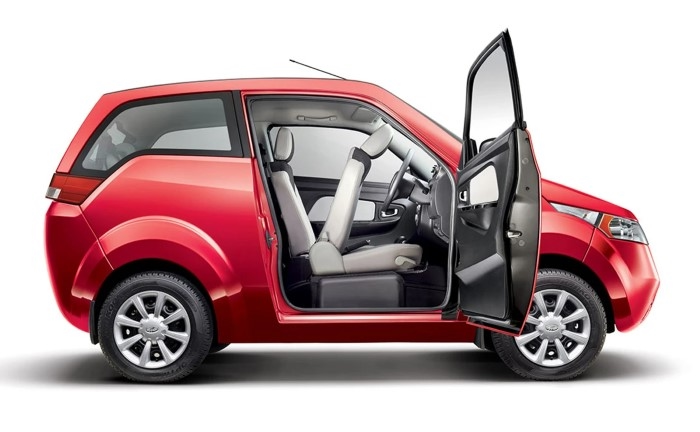
The e2o didn’t try to beat regular cars. That was smart.
Mahindra said it was:
- A city travel fix
- A second car for city folks
- An eco choice
Main ideas:
- Charge at home
- Low running cost
- Easy to drive
Perfect for people who drive short trips daily. They wanted steady costs too.
Why Mahindra Took a Risk With the e2o
Making an EV in India then? Super risky.
There were:
- No public chargers
- No clear EV rules
- No buyer know-how
- High battery costs
But Mahindra thought: Someone has to start.
They knew early EVs wouldn’t sell big. The goal? Learn stuff, not sales.
How the Market Reacted to Mahindra’s First EV
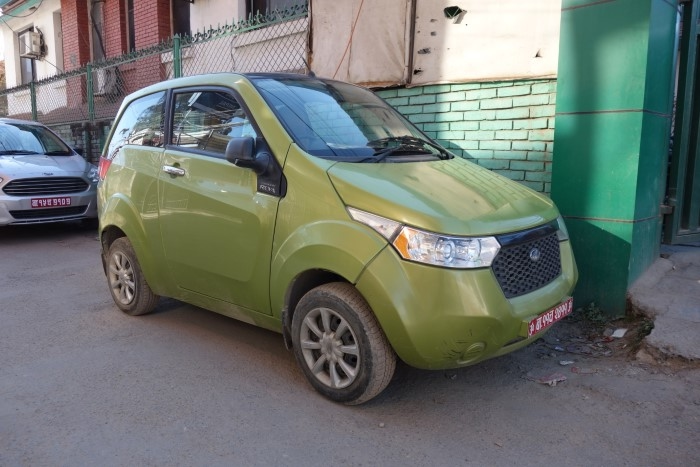
People had mixed feelings.
Some loved:
- Silent rides
- Cheap to run
- Easy like automatic
Others didn’t like:
- Short range
- Small size
- Charging time
- Higher price tag
Back then, India judged cars by:
- Engine power
- Space inside
- Highway ability
Electric cars? They didn’t fit yet.
Range and Performance Reality of the First Mahindra EV
Let’s be real here.
The e2o had:
- Limited range
- Modest speed
- Basic inside
Not for highways. Not for long trips. It was for:
- Office runs
- School drops
- Daily city tasks
Use it right? It worked great. Use it wrong? Not so much.
Charging Experience in the Early Days
Charging was the biggest pain.
Back then:
- Home charging was it
- No fast chargers
- Hours to charge
Mahindra tried to:
- Teach buyers
- Put chargers in some spots
- Push overnight charging
But charging setup? Still the weak spot.
Why Mahindra’s First EV Didn’t Become Mass-Market
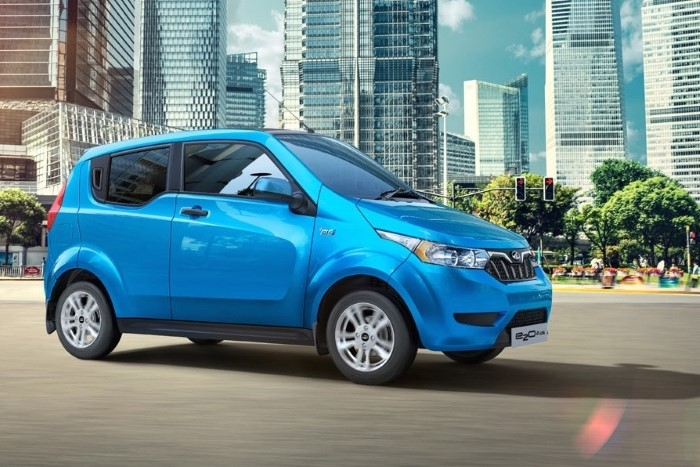
The e2o stayed niche. Even with good intent.
Why?
- High starting cost
- Range worry
- No charging network
- Limited style appeal
India wasn’t ready. Not in hearts. Not in practice.
Why the Mahindra e2o Still Matters Today
Sales were small. But the e2o was huge for learning.
It helped Mahindra:
- Get Indian EV usage
- Learn battery life in our heat
- Study what buyers want
- Build EV service skills
This know-how built future Mahindra EVs.
How Mahindra Used Early EV Learnings
Mahindra didn’t quit after e2o. They adapted.
They learned that:
- Indians want more range
- Cars need to feel normal
- Design matters like tech does
- Charging must grow with EVs
These lessons shaped the next electric cars.
Also Read: Under 10 Lakh 7 Seater Car
Transition From Early EVs to Modern Mahindra EVs
After e2o times, Mahindra changed plans.
Instead of:
- Tiny city EVs
They moved to:
- Full-size electric SUVs
- Normal body styles
- Better range and speed
This shift? Critical move.
How Mahindra’s First EV Influenced Its Current Lineup
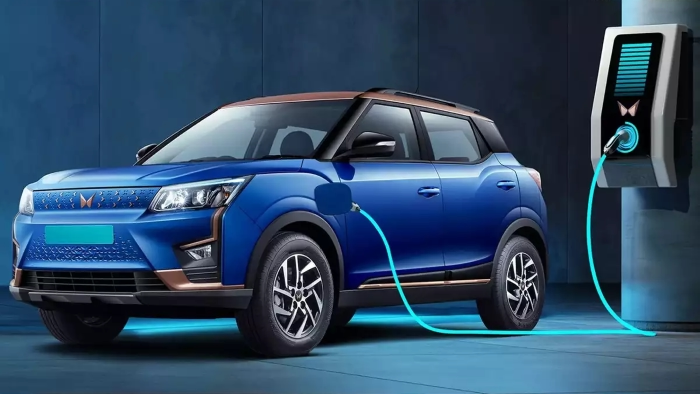
Today’s Mahindra EVs? Way different from e2o. But they’re connected.
Modern ones focus on:
- Useful range
- Strong road look
- Indian driving needs
- Normal SUV feel
That confidence? It came from years of trying.
Public Opinion
Then vs Now
Back then, people asked: “Why electric?” “Where to charge?” “Is it safe?”
Today, they ask: “How much range?” “How fast do you charge?” “Worth switching?”
That mind shift is huge. Mahindra helped make it happen.
Was Mahindra’s First EV a Failure
Depends how you look at it.
If success means:
- High sales
Then no, not really.
If success means:
- Learning
- Leading the way
- Building EV skills
Then yes, it totally worked.
Why Being First Is Always Hard
Early movers face:
- High costs
- Low demand
- Doubters
- No setup
Mahindra took all that on.
They didn’t wait for perfect times. They moved early.
How History Will Judge Mahindra’s First EV
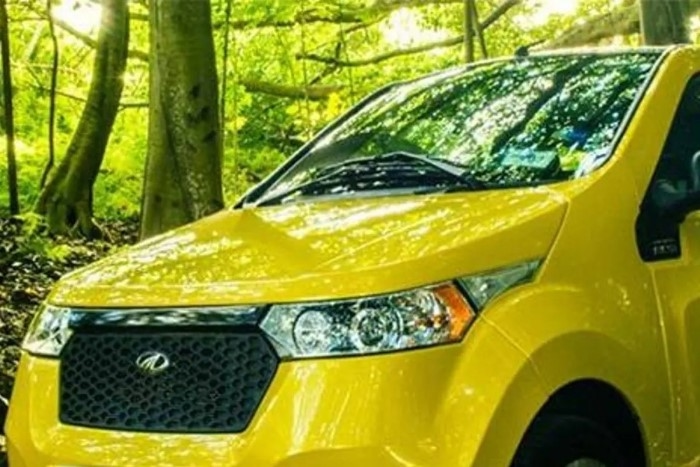
Years later, people will remember Mahindra’s first EV as:
- A bold test
- A learning tool
- The start of something
Not perfect. But needed.
What Mahindra Did Right With Its First EV
Mahindra nailed several things:
- Entered early
- Invested in learning
- Didn’t quit when it got hard
- Kept changing plans
That patience? Rare stuff.
What Mahindra Would Do Differently Today
Looking back, they could have:
- Better range from start
- Stronger charging deals
- Bigger teaching campaigns
But looking back is easy. Leading isn’t.
Why Mahindra’s First EV Deserves Respect
Today’s EVs get praise. Early ones? Not so much.
Mahindra’s first EV:
- Took risks
- Faced hate
- Entered a not-ready market
Without that step? Today wouldn’t exist.
Mahindra’s first EV story isn’t about speed. Or numbers. It’s about vision. Vision to think past petrol. Vision to invest before demand. Vision to learn through mess-ups. Mahindra didn’t wait for the EV wave. They helped make it. So when you see a modern Mahindra electric SUV? Remember this. It didn’t start there. It started with a small, quiet car. One that dared to exist when almost no one believed in electric cars here.