
If you own a venue or are planning to buy one, sooner or later you’ll search for venue car tyre size. Sometimes it happens when a tyre wears out. Sometimes after a puncture that can’t be repaired. And sometimes just because you want to understand whether you can upgrade or change tires safely.
Tyres are one of those things people ignore until they cause trouble. But they affect everything. Comfort, mileage, handling and safety. Even how confident the car feels on bad roads.
So instead of giving you just a size number and moving on, this guide explains venue car tyre size properly. What sizes are used, why they differ, how to read tyre markings, what happens if you change sizes, and what actually makes sense in real life.
No sales pitch. Just clear answers.
Why Tyre Size Matters More Than You Think
Many people assume all tyres are the same as long as they fit the wheel. That’s not true.
Tyre size affects:
- Ride comfort
- Road grip
- Fuel efficiency
- Steering feel
- Braking performance
- Speedometer accuracy
A wrong tyre choice can make a good car feel awkward. A correct tyre choice can make an average drive feel much better. That’s why understanding venue car tyre size matters, even if you never plan to modify anything.
Stock Venue Car Tyre Sizes Explained Simply
The Venue comes in different variants. And different variants use different tyre sizes. That’s normal. Lower variants usually get smaller wheels. Higher variants get larger wheels for looks and grip.
Common tyre sizes you’ll see on Venue models include:
- 195/65 R15
- 215/60 R16
- 215/55 R17
You may not see all of these on every version, but these are the most commonly discussed sizes when people talk about venue car tyre size. Each size has a purpose. None of them are random.
How to Read a Venue Tyre Size (Without Getting Confused)
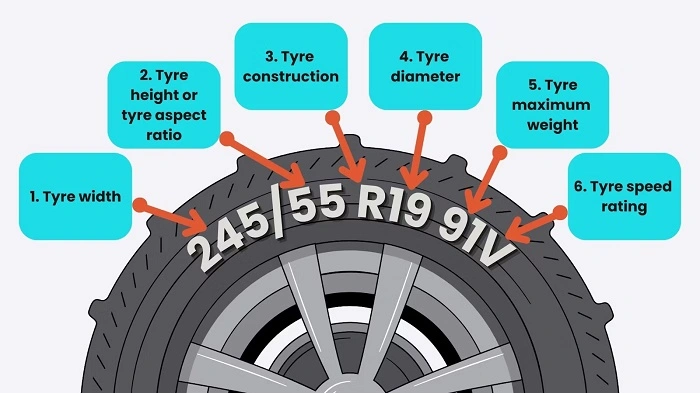
Let’s break down something like 215/60 R16 in plain language.
- 215 is the tyre width in millimeters
- 60 is the sidewall height as a percentage of the width
- R means radial construction
- 16 is the wheel size in inches
So a 215/60 R16 tyre is wider and has a taller sidewall than a 215/55 R17 tyre. This difference changes how the car feels on the road.
Why Venue Uses Different Tyre Sizes Across Variants
Manufacturers don’t change tyre sizes just for fun.
Smaller wheels and taller tyres:
- Improve ride comfort
- Handle potholes better
- Cost less to replace
Larger wheels and wider tyres:
- Improve grip
- Improve cornering
- Look more sporty
Lower variants focus on comfort and cost. Higher variants focus on appearance and road grip. That’s why venue car tyre size depends heavily on the variant.
Ride Comfort: Which Venue Tyre Size Feels Best?
If comfort is your top priority, tyre sidewall matters more than wheel size.
Tyres with taller sidewalls:
- Absorb bumps better
- Feel softer on bad roads
- Reduce impact from potholes
That’s why many owners feel that smaller wheel sizes with higher profile tyres feel more comfortable, especially in cities with uneven roads. Low-profile tyres look good but feel firmer.
Handling and Grip: Where Bigger Tyres Help
Wider tyres:
- Offer more road contact
- Improve cornering confidence
- Feel more stable at speed
If you drive frequently on highways or enjoy a planted feel, wider tyres make a difference.
But more grip often means:
- Slightly lower mileage
- Higher tyre cost
Everything is a trade-off.
Mileage Impact of Venue Car Tyre Size
Tyre size affects fuel efficiency more than people think.
Wider tyres:
- Increase rolling resistance
- Can reduce mileage slightly
Taller tyres with soft compounds:
- Improve comfort
- May also affect efficiency
If mileage is your main concern, sticking close to the stock venue car tyre size is usually the safest choice.
Can You Upsize Venue Tyres Safely?
This is one of the most common questions. Yes, upsizing is possible. But only within limits.
Safe upsizing means:
- Overall tyre diameter stays almost the same
- Speedometer error remains minimal
- No rubbing inside the wheel arch
For example:
- Moving from a smaller wheel to a slightly wider tyre on the same rim
- Or moving to a larger rim with a lower profile tyre
Extreme upsizing causes:
- Stiff ride
- Increased suspension wear
- Incorrect speed readings
If you’re unsure, don’t experiment blindly.
What Happens If Tyre Size Is Changed Incorrectly
Wrong tyre size can lead to:
- Speedometer showing wrong speed
- Reduced braking efficiency
- Steering heaviness
- Tyres rubbing against body or suspension
- Faster suspension wear
A car is designed as a system. Tyres are a big part of that system.
Tyre Width vs Sidewall Height: What Matters More?
Many buyers focus only on width. That’s a mistake.
Sidewall height affects:
- Comfort
- Noise
- Protection from potholes
A slightly narrower tyre with a taller sidewall can feel better than a wide, low-profile tyre on rough roads. Always look at the full tyre size, not just width.
Tubeless Tyres and Venue
Most modern Venue models use tubeless tyres.
Benefits include:
- Slower air loss during punctures
- Better safety
- Easier repairs
Always confirm that replacement tyres are tubeless-compatible if your car came with them.
Tyre Load Rating and Speed Rating Explained Simply
Every tire has ratings printed on it.
Load rating:
- Tells how much weight the tyre can safely carry
Speed rating:
- Tells the maximum safe speed
Using tyres with lower ratings than recommended is unsafe.
Always match or exceed the original ratings when replacing tyres.
When Should You Replace Venue Tyres?
Tyres don’t only wear by distance. They also age.
Replace tyres if:
- Tread depth is low
- Cracks appear on sidewalls
- Tyres are very old even with tread left
- Ride becomes noisy or unstable
Driving on worn tires is risky, no matter how good the car is.
How to Check Your Current Venue Car Tyre Size

You can find tyre size in three places:
- On the tyre sidewall
- Inside the driver-side door sticker
- In the owner’s manual
Never guess tyre size. Always check physically.
Also Read: Under 2 Lakh Car: A Realistic, No-Nonsense Guide for Budget Buyers
New Tyres vs Budget Tyres: What Makes Sense?
In this segment, tyres are not the place to cut corners.
Good tyres:
- Improve braking
- Improve safety in rain
- Reduce noise
Cheap tyres may save money upfront but cost more in stress and risk.
Always balance the budget with safety.
Rotation, Alignment, and Balancing Matter Too
Even the right tyre size won’t help if maintenance is ignored.
Regularly:
- Rotate tyres
- Check wheel alignment
- Balance wheels
This improves tyre life and keeps the Venue feeling stable.
Common Tyre Mistakes Venue Owners Make
Avoid these:
- Upsizing too aggressively
- Mixing different tyre brands
- Ignoring load ratings
- Replacing only one tyre unnecessarily
- Driving on old, hardened tyres
Small mistakes add up over time.
Who Should Stick to Stock Venue Car Tyre Size
Stick to stock size if:
- You want maximum comfort
- You value mileage
- You want zero complications
Manufacturers choose stock sizes for a reason.
Who Can Consider Slight Changes
Consider minor changes if:
- You want better grip
- You drive mostly on highways
- You understand the trade-offs
But stay within safe limits
Venue car tyre size is not just a technical detail. It directly affects how your car feels every single day. The right tyre size keeps your drive comfortable, safe, and predictable. The wrong size creates problems that show up slowly and cost money later.
If you’re happy with how your Venue drives, stick to the stock tyre size. If you want a change, make it small and informed. Tyres are the only part of your car that touches the road. Treat that choice with respect.
Take your time. Ask questions. Check sizes carefully. Because a good tyre choice doesn’t just protect your car. It protects you.