
When folks chat about electric cars in India today, Tata Motors just feels like the boss. You see Nexon EV, Tiago EV everywhere. Maps for charging spots. EV talk all over. It all feels fresh. Like, right now. But here’s the thing. Tata’s electric ride didn’t start with a big bang. The story of the first Tata EV car in India? It’s slow. Real careful. They learned stuff and made mistakes. Got the timing wrong. Then finally, boom – the right moment came.
Tata didn’t jump into electric cars just to show off. They waited. Watched what others did. Tested things out. Then moved when stuff started making sense. That’s what makes their EV story stand out. This guide breaks down how Tata got into EVs. What their first electric car really was. Why it mattered, why it flopped at first. And how that early try changed India’s EV game.
What Does “First Tata EV Car in India” Actually Mean
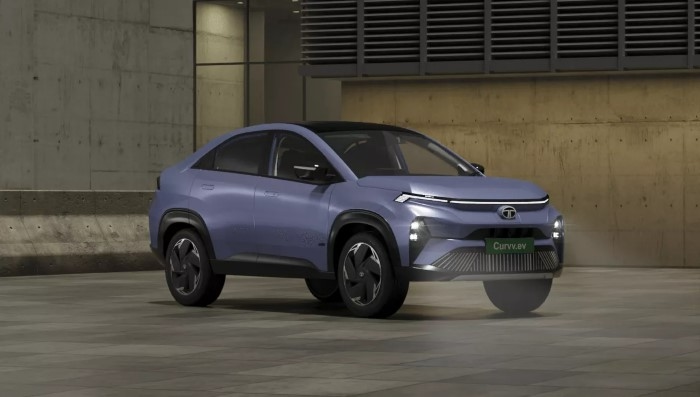
Let’s get clear before we name any car.
When folks say “first Tata EV car in India,” they might mean:
- Tata’s first electric car for regular people
- Tata’s first EV that sold lots
- Tata’s first EV that worked well
These aren’t the same thing, you know? Tata played with electric cars way before EVs got cool. Some were small runs. Some were just for fleets. Some never hit the big time. So what counts depends on how you look at it.
Tata’s Early Experiments With Electric Vehicles
Tata Motors didn’t just dive into selling EVs to everyone.
Before making EVs for you and me, Tata tried:
- Electric versions of cars they already made
- Cars for fleets and work use
- Deals with government folks
These early EVs let Tata test stuff quietly. No big fuss. No pressure.
The Tata Indica EV
Tata’s First Electric Passenger Car
Most people agree – the Tata Indica EV was Tata’s first electric car for regular folks in India. It came out in the early 2010s. They took the normal Tata Indica and made it electric. Instead of making a whole new car, they just changed what they had. This choice? It changed everything that came after.
Why Tata Chose the Indica for Its First EV
The Indica made sense. Here’s why:
- People knew the car already
- Lots of room inside
- Famous name everyone knew
- Good for city driving
Tata aimed the Indica EV mostly at:
- Fleet guys
- Government use
- Places they could control
They didn’t push it hard to regular buyers like you and me.
What the Tata Indica EV Was Like
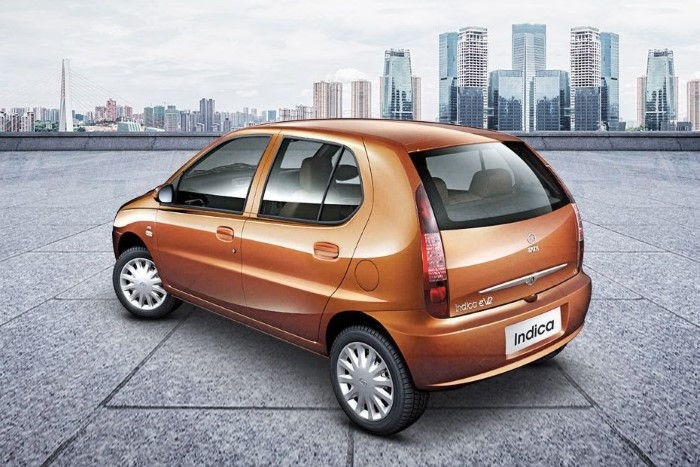
Let’s be real about what you got.
The Tata Indica EV had:
- Not much driving range
- Okay speed, nothing special
- Took forever to charge
- Basic stuff inside
It wasn’t made to wow you. It was made to learn from. They wanted to figure things out, not sell tons.
Why Tata’s First EV Didn’t Go Mainstream
A bunch of stuff held it back.
Battery Technology Was Not Ready
Back then:
- Batteries cost way too much
- You couldn’t go far
- Charging took ages
This made EVs pricey and a pain to use.
Charging Infrastructure Was Almost Nonexistent
Public charging spots:
- Hard to find
- All different types
- Nobody trusted them
Without places to charge, owning an EV felt scary.
Consumer Mindset Was Not Ready
Indian buyers cared about:
- How much fuel it used
- How much space inside
- Would it break down?
- Can I drive far?
Electric cars felt weird. Unknown. Risky.
Also Read: Mahindra First Ev Car In India
Tata’s Cautious EV Strategy
Unlike some brands who went all in, Tata played it cool.
What they did:
- Got real info from real use
- Watched how people drove
- Learned EV stuff inside out
Being careful helped Tata not lose big money. But they still learned tons.
Why the Tata Indica EV Still Matters
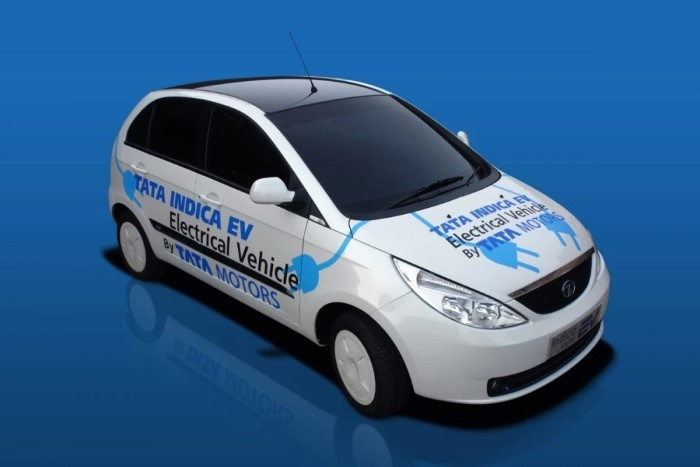
Even though it never got popular, the Indica EV was huge for Tata.
It helped them:
- Get how EV motors work
- See how batteries act in Indian heat
- Train their guys to fix EVs
- Get parts makers ready
This prep work? Gold for later.
Tata’s Shift in EV Thinking
Over time, Tata figured something out.
Electric cars in India would only work if:
- They looked like normal cars
- They could go decent miles
- People trusted them
- The price made sense
Just changing old cars to EVs? Not enough. This hit changed everything.
The Gap Between Tata’s First EV and Mass EV Success
There was a big pause. Indica EV came. Then nothing for a while.
During this time:
- Tech got better worldwide
- Battery prices dropped
- Government started helping EVs
- Charging spots slowly grew
Tata just waited. Watched. Learned.
Why Tata Didn’t Rush Like Others
Tata got one thing right. If EVs failed badly once, getting trust back would be super hard.
So instead of pushing half-done stuff, Tata chose to:
- Wait for the right time
- Build skills on the down low
- Jump in when they could deliver
This waiting? It became their secret weapon.
The Turning Point for Tata EVs
The real shift came when Tata decided to:
- Make EVs on new platforms
- Focus on regular buyers
- Give good range and price
This led to their hit EVs later. But they couldn’t have done it without the Indica EV lessons.
How Tata’s First EV Influenced Today’s Tata EVs
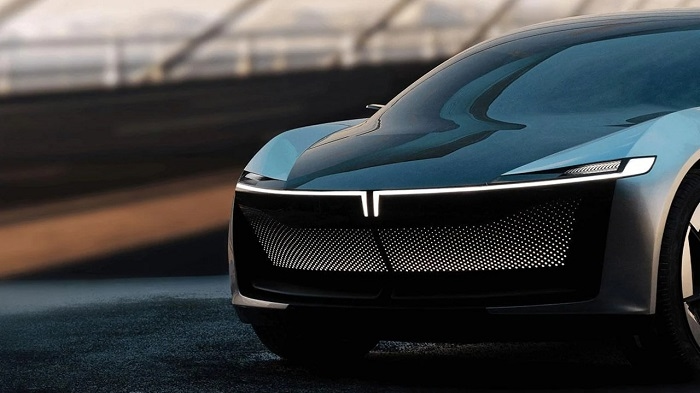
Today’s Tata EVs feel solid because:
- Tata gets how Indians drive
- Tata knows why early EVs failed
- Tata learned what buyers want
From worry about range to how people charge – those early lessons shaped today’s cars.
Public Perception
Then vs Now
Back then, people said:
“EVs won’t work in India.”
“Where do I charge this thing?”
“The battery will die fast.”
Now, people say:
“Tata EVs actually make sense.”
“Running costs are so low!”
“Maybe my next car?”
That change? It took time. Lots of time.
Was Tata’s First EV a Failure
If you count sales, the Indica EV flopped.
But if you count:
- What they learned
- Getting ready
- Thinking long term
Then it worked. Not every big car needs to sell tons.
Why Being First Is Always Difficult
Early EVs face:
- Tech that’s not ready
- Costs too high
- People doubt them
- No support system
Tata took all that quietly. They chased learning, not fame.
Tata’s Advantage Over Time
When EVs got ready, Tata already had:
- EV know-how
- Smart engineers
- Local making power
- Trust as an Indian brand
That’s why Tata could grow fast when the time came.
How History Will Remember Tata’s First EV
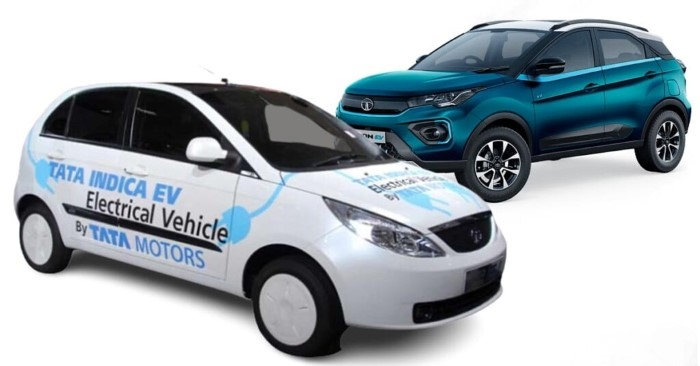
History doesn’t care about perfect stuff. It cares about brave stuff.
Tata’s first EV car in India will be seen as:
- A careful first try
- A way to learn
- The base for a future winner
It wasn’t cool. But it was needed.
What Tata Did Right With Its First EV
Tata made smart moves:
- Tested EVs in safe spaces
- Didn’t promise too much
- Learned without noise
- Stayed in for the long haul
That focus? It paid off big.
What Tata Might Do Differently Today
Looking back, Tata could have:
- Made range better sooner
- Talked better to people
- Made charging deals faster
But going first means you can’t get it all right.
Why Tata’s First EV Deserves Respect
It’s easy to love today’s hit EVs. Harder to respect the early ones.
Tata’s first EV:
- Came when nobody was ready
- Got silence, not cheers
- Cared about learning, not fame
That takes guts. Real guts.
The story of the first Tata EV car in India isn’t about quick wins. It’s about waiting. Waiting for tech to get better. Waiting to get to the market. Waiting to build skills without noise. Tata didn’t chase the EV trend. They got ready for it. And when the time came, Tata was set. Every hot Tata EV you see today? It has a bit of that first Indica EV in it. Quiet. Useful. Made for India. That’s how real car change happens.