
Every time you reset a UPI PIN, you’re not fixing a lock. It feels slow because the setup cares more about quick actions than recall. Many assume it’s a gate that only opens one way. Yet imagine proving who you are instead of turning a key. That thought flips the whole process upside down.
Start with Your Bank’s Official App
Inside your banking app is where it kicks off. Forget Phone Pe. Leave Google Pay out of it. Your own bank’s app – that one. People get stuck here right away. Third-party tools? They think those run everything. Truth – they only tap into what the bank confirms behind the scenes. First move: launch the real app from your financial provider. Start by looking at the name written across your debit card. Most of the time, that detail tells you exactly what to go with next.
Find the UPI Section
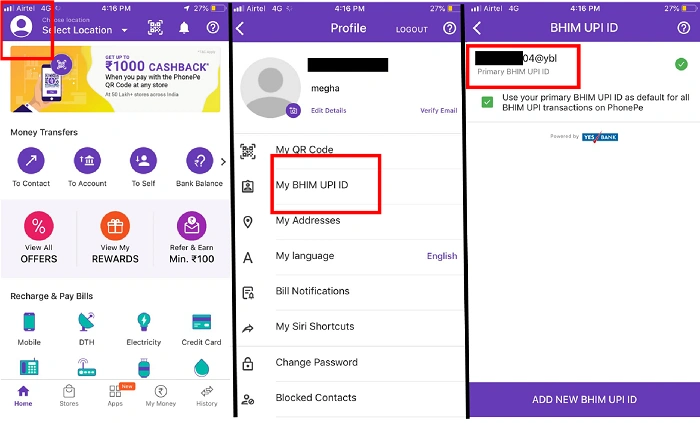
Start by finding where UPI lives in your app. Often tucked under tabs like “Cards” or “Payments,” sometimes hiding inside something called “Digital Services.” Bank labels differ – SBI goes with “YONO,” ICICI went for “UPI Manage,” HDFC just put “Pay.” Spot any entry that shouts “UPI” in thick letters. Inside, search for a way to rebuild your MPIN. A few apps name it “Forgot UPI PIN” – tiny wording shift, same job. Tap that, then expect verification using details tied to cash pulled from an ATM.
Keep Your Debit Card Ready
Most people get stuck right here. Connecting old paper trails to today’s fixes isn’t smooth.
For resetting that UPI PIN, keep these details ready:
- The final six numbers of your debit card
- The expiry date
- Your registered mobile number
Then add when it stops working – the expiry. Even sharper detail comes next. You’ll type a code from pulling out cash at an ATM. Not the three-digit back number. Forget the temporary phone message. It has to be proof you pulled bills recently. Strange? Maybe. But that’s what opens the door.
Verify Your Identity
Most times, getting a new PIN needs you to have used your card somewhere outside digital spaces. That move comes from NPCI, the group managing UPI payments. Here’s why – using an ATM lately shows you are probably the true owner. It connects physical actions with online requests. When no recent withdrawal exists, access gets blocked automatically. Knowing every detail about the account still won’t help then. Hit that reset button without prior machine use – it stops cold during verification.
Enter the OTP
Next up, think back to your most recent ATM withdrawal. You do not need the exact sum, yet it has to be from within the past month. Transactions earlier than that often disappear from the bank’s active search range. After that, enter every piece just right. A single wrong number stops everything cold.
A message shows up on your phone – sent by your bank, not the payment app. It slips through as an OTP, plain text, nothing flashy.
Create Your New UPI PIN
Once that number is typed in, only then does the system allow a new UPI PIN entry. Four digits, maybe six, depends on what you pick. Think it through. These codes vanish once set; no backup lives online. Forget again? Back to square one, same steps waiting.
Avoid Too Many Reset Attempts
Here’s something hardly ever mentioned: doing resets repeatedly sets off quiet alarms. Frequency is watched closely by banks. Ten days with three resets might lead to a short-term lockout. It isn’t written rule – it’s behavior that draws attention. Every situation stands apart – no official limit published – but odd patterns get shared between firms behind closed doors. Too many resets start looking like breach attempts, regardless of who started them.
Resetting a UPI PIN for Joint Accounts
Surprisingly, shared accounts hit a snag here. Only the main person on the account can change the UPI PIN using regular methods. Others who also own it might have full permissions, still find those settings dimmed out. The app offers zero clarity about why. To fix it, you must visit a bank office. Strange, because after setup, UPI does not care which user sends money. Control just never gets handed around.
What About Prepaid Wallets?
Hidden detail – some prepaid cards tied to apps such as Amazon Pay or MobiKwik can connect to UPI, yet resetting access works another way. These platforms skip bank-style PIN checks altogether. They rely on their own balance confirmations instead. For instance, showing a recent top-up made within seven days counts as proof. Since no savings account supports them, regulations shift – NPCI enforces separate steps through the Tokenized Payments setup.
Do Fingerprint or Face Unlock Help?
Getting in with biometrics does not make things easier here. Unlocking by fingerprint or face gets you into the app faster; yet when it comes to resetting a PIN, nothing changes. The verification still moves through old systems – card details followed by ATM activity then an OTP. Smooth access stops once those security steps start up.
Should You Contact Customer Support?
People think phoning support speeds things up. Not true most times. New pins? Agents cannot create those. They might forward an OTP again, or check who you are before moving on. Ringing only matters if texts get stuck – maybe signal weak, maybe number wrong.
Avoid Saving Screenshots
Though screenshots help users navigate step by step, authorities advise against storing UPI configuration screens. When card snippets appear in images, risks rise. During certain attack reviews, saved snapshots aided scam simulations. Remember the steps instead of keeping copies.
Why Timing Matters
Later than expected, things get messy when timing does not match up. Not every bank moves at the same pace after someone uses an ATM – the shift to digital access might happen fast or wait till next day. Jumping into a restart before the system catches up leads to mix-ups. These mistakes are often pinned on people, even if it is not their fault.
Why the UPI Reset Process Is Designed This Way
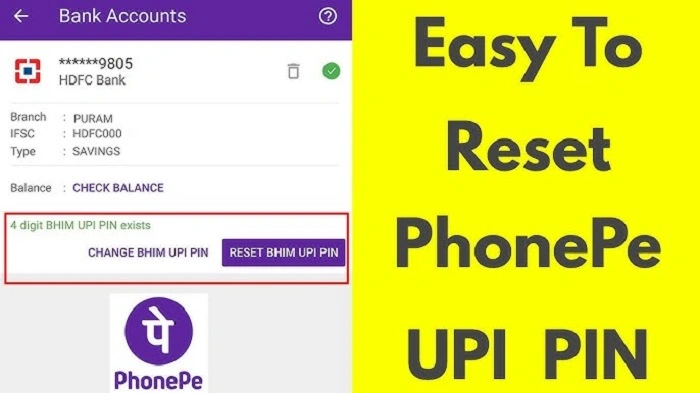
Truth is, changing a UPI PIN shows how deeply India links everyday actions to digital confidence. Physical presence matters more than passwords alone. Cash shifting into clicks creates a wall around identity theft. This mix of real-world steps with online moves strengthens safety.
Still, rigidity remains. Abroad, travelers struggle; so do those in remote areas where ATMs are scarce, plus older adults uneasy around machines – each group hits barriers more severe than others. Without an alternative, the system holds firm: take away the ATM verification step and one of NPCI’s key safeguards slips. That piece stays locked in place.
Stillness where grace should be. Fixes never come fast. Order grows slow, unseen, only noticed when the crack appears.
Frequently Asked Questions
Can I reset my UPI PIN without a debit card?
Most banks require your debit card details to reset your UPI PIN. Some banks may offer alternative verification methods, but debit card verification remains the standard process.
Can I reset my UPI PIN through Google Pay or PhonePe?
The reset process is usually completed through your bank’s verification system. Third-party apps simply follow your bank’s security process.
Why is my UPI PIN reset not working?
Common reasons include incorrect debit card details, an inactive registered mobile number, OTP issues, or verification failure due to missing required information.
Can resetting my UPI PIN lock my account?
Repeated reset attempts within a short period may trigger additional security checks or temporary restrictions, depending on your bank’s policies.
Is my UPI PIN the same as my ATM PIN?
No. Your UPI PIN is separate from your ATM PIN, although your debit card is used during the verification process.