
Most folks think scrubbing a sink drain means dumping vinegar, tossing in baking soda, then turning on hot water. Yet what unfolds under the metal strainer rarely crosses anyone’s mind. Some methods aim at unclogging pipes or killing smells, although hardly any tackle why drains turn into trouble spots initially. Truth is, wiping out slime goes beyond scraping off crud – it involves breaking apart tiny life networks, slowing slimy layers from sticking, plus dealing with pipe behaviors most overlook without realizing.
Why Sink Drains Get Dirty
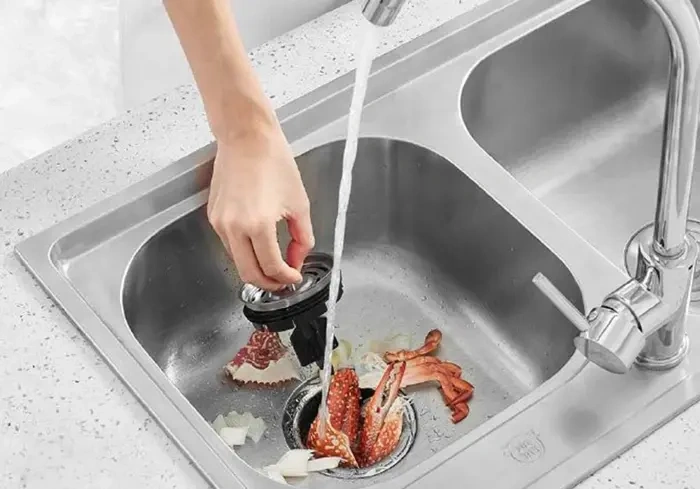
Slippery films inside pipes often start with tiny bacteria taking hold. Not just leftovers or strands cause blockages – these microbes build gooey coats on surfaces. They feed on gunk left behind, breaking it down slowly. From that process come stinky gases smelling like bad eggs. Hard water adds its own problem – minerals pile up where slime already sticks. Layer upon layer forms something tough regular cleaners cannot touch. That hardness mixes with living layers, making removal harder than expected. One quick fix rarely clears out what’s rooted deep. The trouble grows from both life and buildup working together.
Start With a Plunger
Most people overlook the basics when clearing a clogged sink.
What You’ll Need
- Rubber plunger
- Damp cloth or rag
That rubber cup on a stick? It works far better than expected. Even though folks link it only to toilets, try it in your sink basin once in a while. Block off that tiny side hole – often found along the top edge – with something damp or sticky fabric so suction stays strong. Quick jabs work better than slow drags. Hitting fast can shake loose gunk inside without hurting the plumbing.
Try a Salt and Warm Water Rinse
Later on, forget thinking hot water fixes every problem. Grease might melt at first, yet layers of gunk stay put despite the heat. Pipes made of PVC, often found inside newer houses, can twist slowly when scalding liquid passes through too often.
Salt Rinse Method
| Ingredient | Amount |
| Coarse Salt | 1/2 Cup |
| Warm Water | As Needed |
A better move? Try rinsing with warm water mixed with salt. Start by mixing a half cup of rough salt into hot – just not boiling – water until it dissolves. Then, ease the liquid down the drain. Because salt scrapes gently, it may loosen the gunk a bit. Once wet, it can also interfere with how microbes stick around.
Use a Drain Snake
Most of the time, poking things loose works better than pouring stuff in.
Steps
- Feed the snake slowly into the drain.
- Turn it while moving forward.
- Jiggle it if resistance appears.
- Pull debris out carefully.
That long metal wire with a crank handle? It slips down pipes where hands can’t go. Start feeding it in slow, turning right while moving forward. If it sticks, jiggle it both ways until something gives. Yanking out gunk? Take your time so it does not rip apart halfway. A snake grabs gunk by hand, so there is no risk to pipes or tanks like you get with harsh liquids. Quiet work, sure – but hits exactly where needed.
Consider Enzyme-Based Cleaners
A different forgotten approach uses enzyme-based cleaners. Bacteria or enzymes found in nature live inside these bottles, eating away gunk over time. Not fast – one needs patience, around half a day to a full day.
Benefits of Enzyme Cleaners
- Break down organic buildup
- Safe for plumbing
- Septic-system friendly
- Reduce slime over time
The good part? They go after slimy buildup while leaving plumbing unharmed. Mix them with bleach and everything stops; the helpful tiny lives die off immediately. In homes relying on septic systems, they make more sense because harsher chemicals mess up natural decay below ground.
Prevent Grease Buildup
Shifting routines matter more than quick repairs alone. Pouring fats, oils, or greasy leftovers down the drain invites trouble over time. Once cooled, tiny traces stiffen in pipe walls, creating spots where gunk sticks later. Solids get caught by screens, true, yet micro bits slip under. A mesh filter used each day cuts what enters – tiny effort, growing payoff.
Washing Greasy Dishes
Washing greasy plates with cold water works better than using hot ones. While heat moves grease further through pipes, cold slows it fast – making it clump early. That thickening happens best in the trap, a spot built for cleaning out gunk later on. Seems odd at first glance. Yet physics explains why: how thick a liquid feels changes with warmth, shifting exactly where muck settles inside tubes.
Dealing With Drain Odors
Smells need their own look. When baking soda meets vinegar, things bubble up – yet that show fades fast, chemistry-wise. One becomes the other quickly, leaving little behind to keep working. What helps most is the fizzy push from those bubbles, not long-term cleaning.
Alternative Odor Solution
- Water
- 3% Hydrogen Peroxide
A stronger move? Try pouring down a mix of water and 3% hydrogen peroxide now and then – it wakes up when it hits gunk, letting out oxygen that chokes off sour-smelling life hiding without air.
Create a Cleaning Schedule
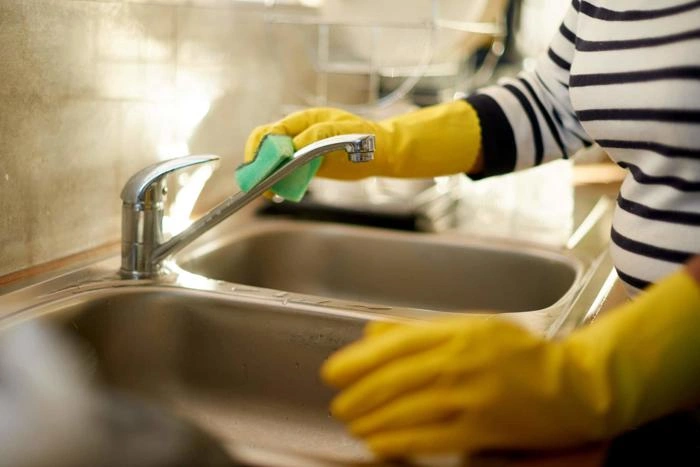
Most of the time, how often you clean beats how hard you scrub. Even when there is no sign of trouble, doing it every month stops gunk from getting stuck for good. A liquid enzyme pour or a quick snake run each cycle helps everything flow like it should. What counts isn’t force – it’s showing up on schedule.
Also Read: How to Remove Dog Hair From Clothes: Simple Cleaning Tips That Work
Cleaning Sink Drains With Garbage Disposals
Truth is, every system has weak spots. When a sink hooks up to a disposal unit, routines need adjusting. Instead of vanishing, leftovers get chopped smaller – never truly gone. These tiny bits slip down plumbing, slowly building gunk along pipe walls.
Monthly Disposal Maintenance
- Clean the blades
- Wash behind the blades
- Remove trapped residue
- Check for hidden buildup
Inside the machine, goop hides in corners no one sees. Once each month, reach in and clean the blades, wash out the space behind them – that small move keeps things fresher.
Why Multiple Methods Work Best
Most issues need more than one fix. Clearing blockages by hand works better when paired with helpful microbes doing their job underground. Small changes in daily habits make a difference over time. Fixing how things flow depends on all three moving together. Lasting results come from tending the whole setup, not just wiping up spills.
Final Thoughts
Most buildup happens slowly, quietly, without warning. Because of that, scrubbing once things clog feels pointless. Pipes move waste but they resist certain things. Their design works only when people respect their boundaries. Chemistry plays a role, yes, yet daily choices matter more. Living organisms grow inside them, invisible, active. Those tiny lives change how everything flows.