
Sticky grains sit in a bowl of water. That mix has traveled through time, showing up in bathroom rituals far apart but somehow similar. People have talked about it online, sure, yet most knowledge passes hand to hand. The process feels basic: rinse rice, wait, apply. Yet inside that stillness, tiny molecules shift and link. Not magic – it acts quietly, almost unnoticed. Proteins drift while starch swells, changing how the liquid coats skin. Distance doesn’t matter. Villages without Wi-Fi treat faces with this wash. Why keep doing it? Maybe because eyes notice what instruments can’t measure.
What You Need to Make Rice Water
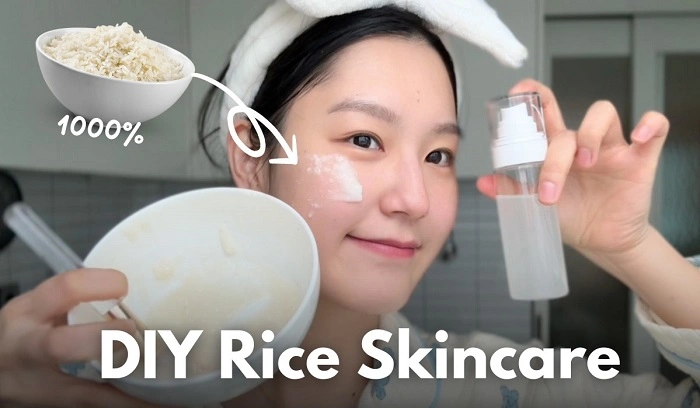
Half a cup – that’s what you need – of white rice only. Not brown, not the wild kind. Milling takes off outer layers, leaving more starch behind; that process strips away oils and fiber too. This starch matters most. Mix it with water, give it a shake or let it sit until bubbles form, then watch how it behaves. A cloudy blend appears, slow to separate, almost gluey in texture. It spreads thin across surfaces, even sticks around on skin for a short while. This movie won’t wet things – won’t pour in dampness – yet could slow drying on the surface of your hide. Shielding by position, not by sparking cell life.
Ingredients
- ½ cup white rice
- 1 cup water
- Glass jar or bowl
- Strainer or coffee filter
- Clean storage container
How to Prepare Rice Water
Let the rice sit in water – twice as much as the rice – for half an hour. Every few minutes, give it a soft swirl. Best to use a glass jar; repeated use could cause plastic to release substances. Pour the liquid into a fresh bowl when done. That clear fluid is your plain rice water.
| Step | Action |
| 1 | Add ½ cup white rice to a bowl |
| 2 | Pour in 1 cup water |
| 3 | Let it soak for 30 minutes |
| 4 | Stir occasionally |
| 5 | Strain the liquid |
Optional Fermented Rice Water
After two days out in the open, some let it keep fermenting. Studies of old routines across Asia show small boosts in antioxidants like ferulic acid and allantoin during this stage. Wild bacteria do the work – different every time, results never identical. Smell shifts mean something is happening underneath. Sourness can be normal, only worry if it bites back or smells spoiled.
Fermentation Tips
- Leave rice water for up to 48 hours
- Store in a clean container
- Expect a mild sour smell
- Discard if the smell becomes unpleasant
- Use within a safe storage period
Strain and Prepare for Application
Again, push it through a tight strainer or paper coffee filter. Leftover bits might carry germs, more so after two days sitting in the refrigerator. Move into a sprayer or low bowl instead.
Also Read: How to Clean a Sink Drain
Before Applying
- Strain thoroughly
- Remove all rice particles
- Use a clean container
- Store in a spray bottle if preferred
- Keep application tools clean
How to Apply Rice Water to Your Face
How you apply changes things. Soak soft cotton pads but keep liquid off collarbones and upper back. Start at the cheek, then move to the forehead, follow with the jaw. Rubbing is out of bounds. This isn’t about scrubbing away – it’s staying light, barely there. Some days skin feels tight, others loose – heat, meals, tension shift how it sits on bone. A rinse with rice water won’t turn the dials back. If anything, you get a quick hush, close to touching cloth pulled taut after washing.
Application Steps
- Soak a cotton pad with rice water.
- Apply gently to the cheeks.
- Move to the forehead.
- Finish around the jawline.
- Avoid harsh rubbing.
How Long Should You Leave It On?
After ten minutes, wipe it away. Leaving it on too long might dry the surface, sometimes leading to flakes. Skip rinsing unless the area reacts oddly. Two times a week is enough. Using it every day does not help more, at least not according to what has been seen in practice – plus, it could interfere with how skin naturally sheds old layers.
| Step | Time |
| Application | 1-2 minutes |
| Leave on | 10 minutes |
| Frequency | Twice weekly |
| Storage limit | Up to 72 hours |
Possible Results and Skin Reactions
Some notice clearer skin. Others get stiffness or spots. Blame isn’t on how clean a product seems or its vibe. Each person’s outer layer works differently. When ceramides run low, starchy coatings can help – briefly. If pores easily jam, leftover particles could spark reactions when filters fail mid-process.
Rice Water Traditions Around the World
Everywhere you go, ways to make rice water at home differ wildly. Across places like Japan or Korea, even Nigeria and India, traditions aren’t matched. Southern China saw women dip hands into used cooking liquid, long ago. No ceremony behind it. Just using what was on hand. Leftover fluid stayed useful – spared without thought for saving, though it did get saved anyway.
Water Quality Matters
Water quality often gets ignored. Calcium and magnesium levels change starch behavior when it spreads out. Uneven splitting can happen, leading to instability in the mix. Using distilled water helps avoid that problem – even if prices go up. Rainwater might seem handy. Yet without proper cleaning and killing germs, pollution makes it risky these days.
Best Water Choices
- Distilled water
- Filtered water
- Clean drinking water
Avoid:
- Untreated rainwater
- Dirty tap water
- Water stored in unclean containers
Storage Guidelines
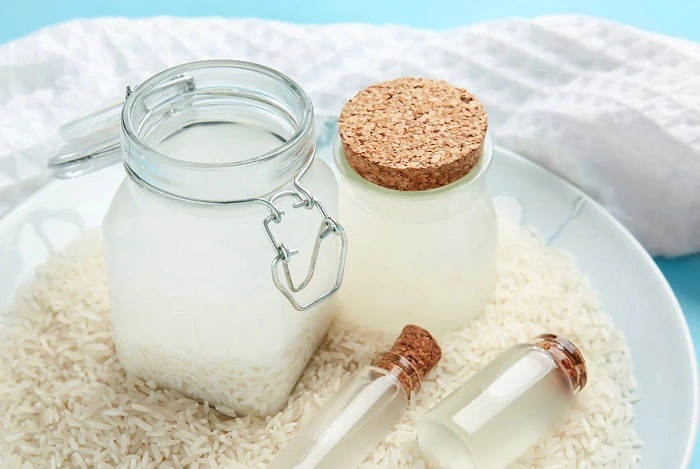
Bacteria slow down when cold, yet enzymes keep doing their thing regardless. Rice soaked in water loses protein quality fast – three days is about it, fridge or no fridge. Anything left past seventy two hours? Better get rid of it.
Storage Rules
- Keep refrigerated
- Use within 72 hours
- Store in a clean container
- Discard if odor changes significantly
What Science Says About Rice Water
Most of what we hear about rice water slowing aging comes from ads, not science. Fermented types showed some calming effect on cells in labs – yet skin studies on people are scarce. Talk of tighter skin or fewer lines pops up in product write-ups, rarely in real research. Long-term proof? Missing when it’s just applied to the surface.
Patch Test Before Use
Still, it doesn’t just sit there doing nothing. Rare allergic responses have been seen. Try a patch check before going further – put a bit behind your ear or on the inside of your arm. Give it a full day. Look out for signs like itchiness, puffiness, or red blotches.
Signs to Watch For
- Redness
- Itching
- Swelling
- Burning sensation
- Rash
What to Do With Leftover Rice Water
Here comes the cleanup part. Drains aren’t always the best spot for leftover liquid. Too much at once might leave starch behind, which sticks around longer in old pipes. A slow drip now and then won’t hurt, but frequent pouring increases blockage risks. Try shifting some to garden patches instead. Soil takes it well, particularly under ornamental shrubs or flowers. Roots soak up traces of nutrients without fuss. That pale rinse from cooked rice holds more value out there than swirling down a sink.
FAQs About Rice Water for Face
Can I use rice water on my face every day?
No. Two times a week is generally enough. Daily use may dry the skin or affect natural skin shedding.
How long can rice water be stored?
Rice water should be used within 72 hours and kept refrigerated.
Which rice is best for making rice water?
White rice is commonly used because it contains more accessible starch after milling.
Do I need to wash my face after using rice water?
Not always. If your skin feels comfortable, rinsing is usually unnecessary.
Can rice water help with acne?
Some people notice improvements, while others may experience clogged pores. Results vary by skin type.
Out here, the habit sticks around – not due to scientific agreement, yet thanks to how easily it fits into different lives. Trend shifts barely touch it, since showy moves aren’t needed. Labels? Missing. Grand reveal parties? Nowhere to be found. Instead: grain, water, something to hold them.
Change shows slowly. Over time it builds, often hidden. You see it suddenly – like sunlight revealing a spotless pane.